Techniques
Jewelry techniques refer to the methods and procedures used to create jewelry pieces. These techniques encompass a wide variety of processes and skills employed by jewelers to shape, join, decorate, and finish jewelry items, such as casting, setting, carving, soldering, filigree work, enameling, wire drawing, and engraving.
Metal forming
 Techniques
Annealing: how to soften metal
Annealing softens metal with controlled heat so it can keep being worked; how it is done, how to cool it and how to avoid firescale.
 Techniques
Bending, curving and twisting metal
Bending, curving and twisting metal with pliers and mandrels: rings, bangles, twisted cables and spiral square wire.
 Techniques
Chainmaille (maille weaving)
Chainmaille interlocks metal rings in patterns such as European 4-in-1, Byzantine or Japanese; materials, tools and calculating the aspect ratio.
 Techniques
Filing and sanding: shaping and smoothing
Filing removes metal with files of different cut to shape and smooth; file types, technique and recovering filings.
 Techniques
Forging and hammering metal
Forging shapes metal with hammer and anvil: stretching, bending and planishing sheet and wire, and hardening it by working it.
 Techniques
Handmade chains
How a chain is made by hand: wound, cut and soldered links, assembly and the ancient loop-in-loop technique.
 Techniques
Rolling and wire drawing: sheet and wire
Rolling reduces an ingot to sheet and wire drawing stretches it into wire through a draw plate; steps, gauges and lubrication.
 Techniques
Sawing and piercing: cutting and hollowing metal
Piercing cuts shapes and openings in metal with a jeweler's saw and a bench pin; blades, technique and decorative openwork.
 Techniques
Sinking, raising and dapping: hollow forms
Sinking and dapping give volume to a metal sheet: domes, bowls and hollow beads with dapping blocks, wooden blocks and stakes.
 Techniques
Stamping and die striking
Stamping imprints a relief on metal with punches and dies (by hammer or press); used for textures, hallmarks and serial pieces.
Joining
 Techniques
Cold connections: rivets, screws and staples
Cold connections join pieces without heat: tube and wire rivets, tabs, staples and screws; ideal for joining dissimilar materials.
 Techniques
Laser and spot welding
Laser and spot welding join metal with very localized heat, without flux or torch; ideal for repairs next to stones and enamel.
Surface decoration
 Techniques
Chasing and repoussé
Repoussé pushes metal from behind to create relief and chasing defines it from the front, on a bed of pitch; an ancient goldsmithing technique.
 Techniques
Cloisonné: enamel in cells
Cloisonné divides the design into cells with metal wires and fills them with enamel; a Byzantine, Chinese and Japanese technique for jewelry and vessels.
 Techniques
Damascening
Damascening inlays gold and silver wires into steel with fine grooves; a tradition of Toledo and the Islamic world for jewelry, weapons and objects.
 Techniques
Electroforming: hollow forms by electrolysis
Electroforming deposits metal with electricity onto a conductive model to make hollow, lightweight, large forms, such as voluminous pendants and earrings.
 Techniques
Electroplating: gold, silver and rhodium baths
Electroplating coats a piece with a thin layer of another metal by electrolysis: gold, silver and rhodium baths; steps, thicknesses and care.
 Techniques
Enameling: techniques and process
Enameling fuses powdered glass onto metal; techniques (cloisonné, champlevé, basse-taille, plique-à-jour, painted) and steps to enamel a piece.
 Techniques
Etching and photo-etching
Etching corrodes metal with acid or electricity in the unprotected areas to create designs and relief; photo-etching uses a photosensitive film.
 Techniques
Filigree: lace of metal wire
Filigree forms designs with extremely fine gold or silver wires, twisted and soldered; traditions from Europe, India (Karimnagar, Cuttack) and the Americas.
 Techniques
Gilding: fire, leaf and electrogilding
Ways to gild a metal: fire gilding with mercury (historic and toxic), gold leaf, electrogilding and depletion gilding.
 Techniques
Granulation: tiny spheres of gold
Granulation fixes tiny metal spheres onto a surface without visible solder; a technique of the Etruscans that demands precision and patience.
 Techniques
Guilloché: geometric engine turning
Guilloché is a mechanical engraving of interlaced geometric lines made with a rose engine; used in watches, boxes and Fabergé eggs, and as a base for enamel.
 Techniques
Hand and laser engraving in jewelry
Engraving cuts lines and letters into metal with gravers or a laser: styles (bright cut, monograms, Florentine), tools and uses.
 Techniques
Inlay in jewelry
Inlay fits stone, mother-of-pearl, wood, enamel or resin into a recess in the metal, flush with the surface; from marquetry to hardstone.
 Techniques
Keum-boo: gold foil on silver
Keum-boo, a Korean technique, joins 24-karat gold foil to fine silver with heat and pressure, without solder, for a gold-on-silver finish.
 Techniques
Mokume-gane: wood-grain metal
Mokume-gane fuses layers of different metals with heat and pressure and works them to draw wood-like grain; a Japanese technique of the 17th century.
 Techniques
Niello: the black that makes the engraving stand out
Niello fills an engraving with a black mix of metallic sulfides melted in; it gives strong contrast on silver and has been used since Roman times.
 Techniques
Plique-à-jour: enamel without a backing
Plique-à-jour is translucent enamel in cells with no base, letting light pass like a miniature stained-glass window; typical of Art Nouveau jewelry.
 Techniques
Reticulation: wrinkled metal
Reticulation heats a silver alloy until the surface wrinkles into ridges and valleys, creating an unmistakable organic texture.
 Techniques
Texturing metal surfaces in jewelry
Texturing gives relief to the metal surface: hammered finishes, rolling-mill textures, bark, burs, sandblasting and stamping.
Casting, molding and making
 Techniques
Casting organic materials (burnout)
In organic-material casting, a leaf, twig or flower is burned out inside the mold and replaced by metal, keeping its natural texture.
 Techniques
Centrifugal casting
Centrifugal casting throws molten metal into the mold with the force of a spinning arm; it is the usual way to cast lost-wax jewelry.
 Techniques
Cuttlebone casting
Cuttlebone casting carves a two-part mold in this soft material to cast simple silver pieces, with a characteristic texture.
 Techniques
Jewelry alloys: how they are made
How gold and silver alloys are made: weighing the metals, melting with flux, stirring with graphite and pouring into an ingot mold; 18K gold in yellow, white and rose.
 Techniques
Metal clay (PMC)
Metal clay mixes silver or gold powder with a binder; it is hand-modeled and fired into solid metal. A modern, accessible technique.
 Techniques
Refining and cupellation of precious metals
Refining purifies gold and silver; cupellation separates precious metals from base metals with lead and bone ash, an ancient assay technique.
 Techniques
Rubber molds and wax injection
A vulcanized rubber or silicone mold produces many wax copies of a master piece, the basis of serial production of cast jewelry.
 Techniques
Vacuum casting
Vacuum casting draws molten metal into the mold with a pump; it reduces porosity and reproduces very fine detail.
 Techniques
Wax carving and modeling
The wax model is the origin of most cast jewelry: hard and soft waxes, carving tools, adding wax and preparing the casting tree.
Stone setting
 Techniques
Bezel setting
The bezel setting surrounds the stone with a thin burnished metal rim; the most secure, ideal for cabochons and daily wear.
 Techniques
Channel setting
The channel setting places stones in a row between two metal walls, with no prongs between them; very common in wedding bands and diamond bands.
 Techniques
Flush (gypsy) setting
In a flush setting the stone sinks into a hole and sits level with the surface, with the metal burnished around it; very secure and clean-lined.
 Techniques
Halo, cluster and three-stone settings
The halo surrounds the center stone with a ring of small stones to give it size and sparkle; the cluster and three-stone are other multi-stone settings.
 Techniques
Invisible (mystery) setting
In the invisible setting, cut stones are placed together with no metal between them, held by grooves in their base; patented by Van Cleef & Arpels in 1933.
 Techniques
Pavé setting
Pavé covers a metal surface with many small stones held by tiny beads of metal, as if “paved”; it gives continuous sparkle.
 Techniques
Prong setting
The prong setting holds the stone with 4 or 6 metal claws that let light through; the classic solitaire, like the Tiffany.
 Techniques
Stone settings: types and how to choose
A setting holds the stone in the jewel: prong, bezel, channel, pavé, tension, invisible and flush; how each works and which to choose for the stone and use.
 Techniques
Tension setting
In a tension setting the stone is held only by the pressure of the band, with no prongs; it gives a floating-stone effect but demands hard metals and very hard stones.
Lapidary and pearls
 Techniques
Bead making and drilling
How stone beads are made: cutting, rounding, drilling with diamond bits and polishing; shapes, sizes and qualities.
 Techniques
Cabochon cutting
A cabochon is a stone polished into a smooth dome with no facets; how it is cut with grinding wheels of decreasing grit and polished, and which stones are cut this way.
 Techniques
Gemstone faceting
Faceting cuts a gem with polished flat surfaces (facets) arranged to reflect light; the faceting machine, angles, indexing and polishing.
 Techniques
Glyptics: cameos and intaglios
Glyptics engraves stones and shells: the cameo is carved in relief and the intaglio in recess; history and technique of a miniature art.
 Techniques
Pearl stringing and knotting
Stringing fixes pearls on a silk thread with a knot between each to protect them; materials, knots, bead tips and when to restring.
 Techniques
Stone tumbling
A rotary tumbler rounds and polishes stones in stages of ever finer abrasive over weeks; how it is done and which stones suit it.
Finishing
 Techniques
Burnishing: smoothing without removing metal
Burnishing smooths and shines metal by rubbing it with a polished steel tool, without removing material; used on bezels, prongs and as a final finish.
 Techniques
Finishes: matte, satin, brushed and hammered
Jewelry finishes: high polish, satin, matte, brushed, bead-blasted, hammered and antiqued; how they are achieved and when each suits.
 Techniques
Lacquering and surface protection
Lacquers and waxes protect metal from tarnish: clear lacquer, microcrystalline wax and coatings for copper, brass and silver.
 Techniques
Pickling: cleaning oxides after soldering or annealing
Pickling immerses the piece in a mild acid bath to remove oxides and flux residue; products, precautions and neutralizing.
 Techniques
Polishing and buffing metal
Polishing leaves metal with a mirror shine: from sanding to felt wheels and compounds (tripoli, rouge), with safety tips.
Beads, wire and fibers
 Techniques
Bead crochet and knitting
Bead crochet and knitting make ropes, bracelets and tubular necklaces by stringing beads on the thread before working the stitches.
 Techniques
Bead embroidery
Bead embroidery sews beads, sequins and cabochons onto a base of fabric or felt; a textile jewelry technique for brooches and pendants.
 Techniques
Bead weaving: peyote, brick and loom
Bead weaving joins small glass beads with needle and thread: peyote, brick, square and right-angle weave, and loom; uses in necklaces and bracelets.
 Techniques
Kumihimo and cord braiding
Kumihimo is a Japanese braiding technique with threads on a disk or marudai; it makes silk cords and bracelets with geometric patterns.
 Techniques
Lampwork glass beads
Lampworking melts glass rods in a torch flame and winds them onto a mandrel to make unique beads; annealing prevents them from breaking.
 Techniques
Macramé and knotting in jewelry
Macramé creates bracelets, necklaces and pendants by knotting cord; basic knots (square, lark's head, sliding), materials and adjustable clasps.
 Techniques
Wire wrapping
Wire wrapping holds stones and beads with bent and coiled wire, without soldering: loops, hooks, pendants and wire settings.
Other materials
 Techniques
Carving bone, antler, shell and tagua
Carving organic materials (bone, antler, shell, tagua) produces pendants, beads and cameos; tools, scrimshaw and ethical questions.
 Techniques
Leather jewelry: braiding, stamping and riveting
Leather jewelry is cut, braided, stamped, dyed and riveted: bracelets, necklaces and straps, with edge finishing and clasps.
 Techniques
Polymer clay in jewelry
Polymer clay (Fimo-type) is hand-modeled and hardened in a home oven; millefiori canes, textures and sealing for earrings and pendants.
 Techniques
Resin jewelry: step-by-step technique
How a resin jewel is made: silicone molds, mixing, bubbles, pigments, inclusions, curing, demolding and polishing, with safety.
 Techniques
Victorian hair jewelry (hairwork)
In Victorian times hair of loved ones was woven into brooches, bracelets and lockets as jewels of affection and mourning; technique and meaning.
 Techniques
Wood jewelry: turning and laminating
Wood jewelry is made by turning, carving, laminating (glued layers) and bentwood rings; finishes with oil and resin.
Digital techniques
 Techniques
3D printing in jewelry
3D printing makes castable resin or wax models for casting jewelry, or direct metal pieces; precision, workflow and limits.
 Techniques
3D scanning and CNC milling in jewelry
3D scanning digitizes an existing piece and CNC milling carves wax or metal models with precision; tools of the digital jewelry workshop.
 Techniques
Lasers in jewelry: cutting, engraving and cleaning
Lasers cut, engrave, mark and clean metal with great precision: hallmarking, ring engraving, cutting pieces and welding.
Repair and restoration
 Techniques
Jewelry repair and restoration
Restoration repairs, cleans and conserves antique or damaged jewelry: soldering, replaced stones, re-plating and criteria for not destroying its value.
 Techniques
Prong retipping
Retipping rebuilds the worn prongs of a setting: metal is added to the tips, reshaped and the stone is checked to be secure.
 Techniques
Ring resizing
How a ring is enlarged or reduced: cutting the band, adding or removing metal, soldering and rounding on the mandrel; which rings cannot be resized.
 Design
The coloring of metals
How metal is given color in jewelry: anodizing, patinas, PVD, enameling, heat treatments and electroplating, with their processes.
 Design
The color of metals
What color is each metal in jewelry: yellow, white and rose gold, silver, platinum, copper, brass, steel and titanium. Color chart and quick answers.
 Design
CAD software used in jewelry design
What program to use to design jewelry: Rhino, RhinoGold, Matrix, ZBrush, JewelCAD and CounterSketch. Software families and how to choose.
 Techniques
Soldering for jewelry
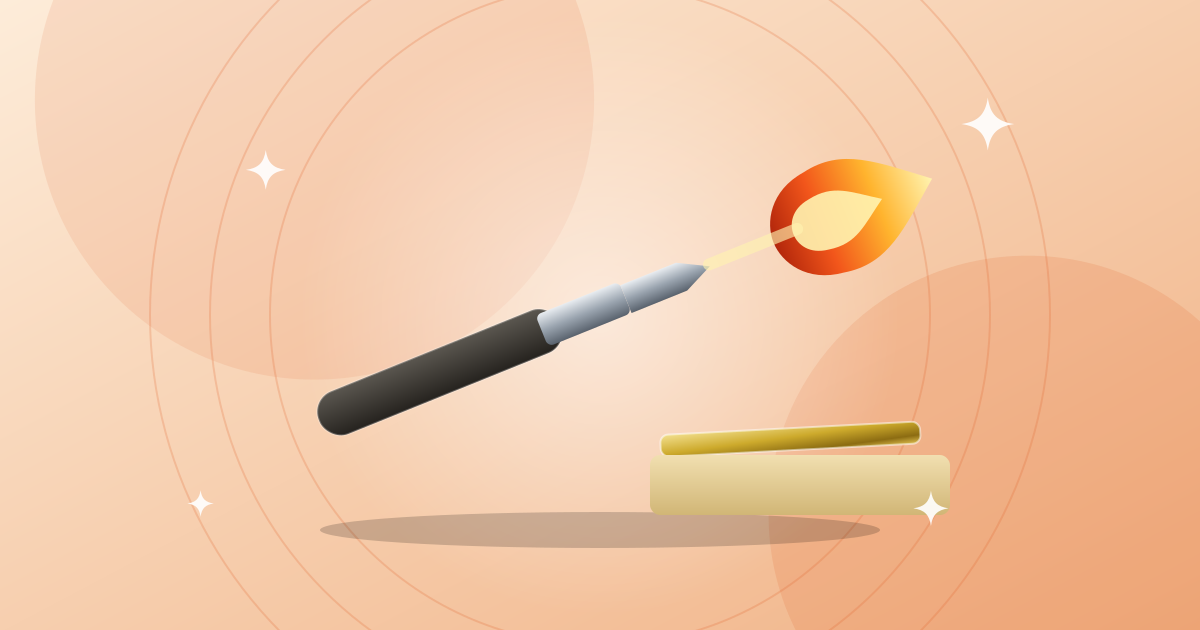
How a jewel is soldered: types of soldering (torch, laser, microplasma, resistance), steps, tools, history and common questions.
 Techniques
Lost-wax casting
Lost-wax casting turns a wax model into metal. See the 8-step process illustrated, materials, advantages, casting defects and answers to common questions.
 Techniques
Care and cleaning of brass jewelry
How to clean brass jewelry, remove tarnish and prevent green or dark marks; whether brass rusts or can get wet.
 Techniques
Care and cleaning of silver jewelry
General tips for the care and cleaning of silver jewelry: regular cleaning, home methods, storage and the effect of climate.
 Techniques
Workshop safety
Safety is of the utmost importance in a jeweler's workshop, to protect both the jeweler and the surroundings from possible risks and accidents.
 Techniques
Sand casting
Sand casting pours molten metal into a compacted sand mold. Steps, materials, advantages and differences from lost-wax casting.
 Techniques
Care and cleaning of gold
How to clean gold jewelry? General tips for the care and cleaning of gold jewelry.
 Techniques
Clay casting
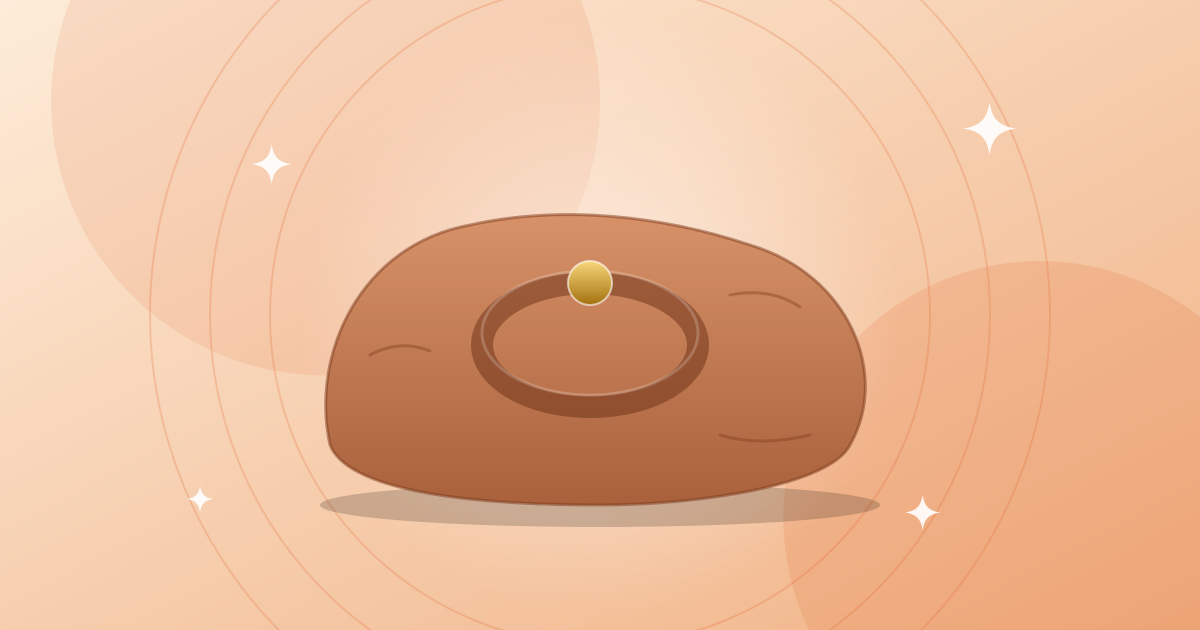
A process that uses refractory clay to make molds for casting precious metals such as gold and silver and producing jewelry.
 Techniques
Casting
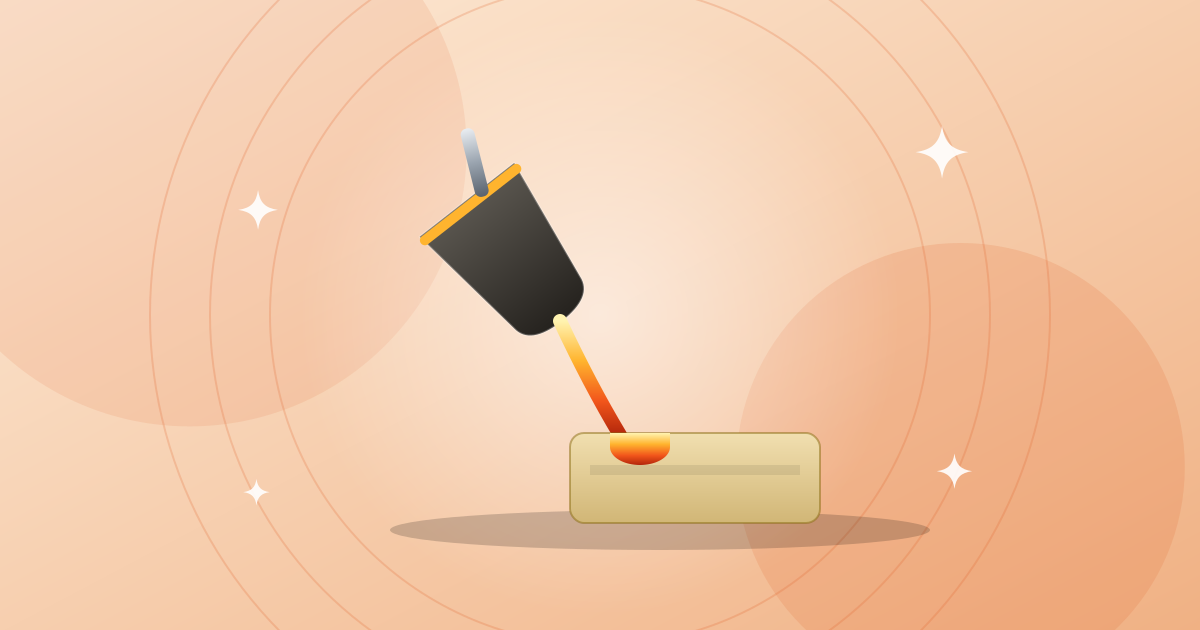
Casting melts metal and pours it into a mold to make jewelry with fine detail. Types of casting, basic tools, materials and the history of the technique.