The coloring of metals

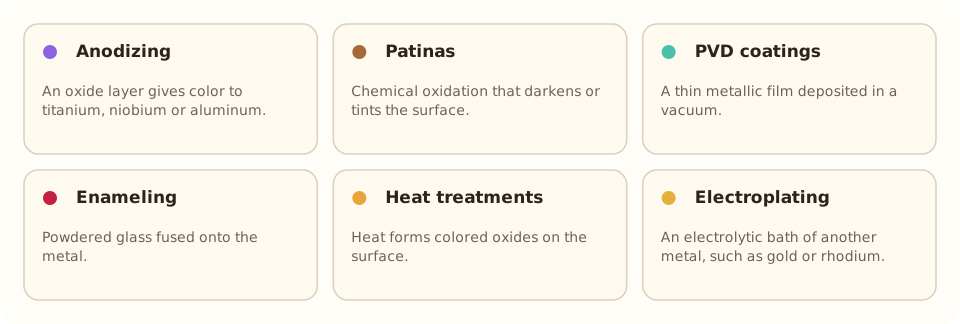
Metal coloring in jewelry is the result of different processes and techniques applied to metals. Some of the common ways of achieving color in jewelry are listed below:
Processes and techniques applied to metals to obtain specific colors #
Anodizing #
Anodizing is a process commonly used on metals such as titanium. An oxide layer is created on the surface of the metal through an electrochemical process. This process can produce a variety of colors, such as blue, green, purple and others, depending on the specific conditions of the process.
Anodizing is an electrochemical process commonly used in jewelry to change the color of metals, especially titanium and, to a lesser extent, niobium. This process creates an oxide layer on the surface of the metal, which interacts with light differently and produces varied colors. Here is a basic description of the anodizing process in jewelry:
The anodizing process in jewelry #
Surface preparation
Before anodizing, the piece of jewelry is carefully cleaned to remove any dirt, grease or other contaminants from the surface of the metal. This is essential to ensure an even result.
Immersion in an electrolyte
The jewel is immersed in an electrolyte, which is an aqueous solution that may contain substances such as boron sulfate or sulfuric acid. The choice of electrolyte influences the final colors obtained.
Applying electric current
An electric current is applied through the metal immersed in the electrolyte. This causes an oxide layer to form on the surface of the jewel. The intensity of the current, the exposure time and other factors determine the thickness of the oxide layer and, therefore, the resulting color.
Resulting colors
The colors obtained through anodizing depend on the thickness of the oxide layer. For example, in the case of titanium, colors ranging from gold and blue to purple and green can be achieved, depending on the process conditions.
Sealing
After anodizing, some jewelry may require a sealing process to improve the durability and resistance of the oxide layer. This may involve immersion in hot water or in specific chemical solutions.
Important considerations
- Process precision: Anodizing is a delicate process, and small variations in conditions can produce different colors. Precision is essential to obtain consistent results.
- Durability: Although anodizing can produce vibrant colors, the durability of the oxide layer can vary. In some cases the color may wear off over time, especially if the jewelry is exposed to abrasive conditions.
- Use and maintenance: When choosing anodized jewelry, it is important to consider proper use and maintenance to preserve the colors and the integrity of the piece.
Anodizing offers jewelry designers a unique way of incorporating custom, attractive colors into their creations.
Patinas #
Patinas are layers of oxides applied to the surface of the metal to create specific colors. Copper and bronze are metals that are often patinated to achieve distinctive tones, such as green (verdigris), brown and other earthy colors.
Patinas in jewelry are used to create specific colors in metals, especially metals such as copper and bronze. The patination process involves the controlled application of chemicals to the surface of the metal to produce a layer of oxides that changes the color of the metal. Here is a basic description of the patination process in jewelry:
The patination process in jewelry: #
Surface preparation
Before applying the patina, the surface of the metal is cleaned and prepared. This may include removing existing oxides, polishing and degreasing to ensure the patina is applied evenly.
Applying the patina
The patinating chemical is applied to the surface of the metal. Commonly used substances include ammonia, sulfides and specific chemicals designed to react with the metal and form a layer of oxides.
Chemical reaction
The chemical reaction is allowed to take place, which results in the formation of a layer of oxides on the surface of the metal. The duration of this process and the concentration of the chemical can influence the final color.
Rinsing and drying
After the desired color is reached, the piece is rinsed to stop the chemical reaction and carefully dried.
Sealing (optional)
In some cases a sealant can be applied to protect and preserve the patina, keeping it from oxidizing further or flaking off.
Important considerations
- Variability of results: The patina can produce varied and unique colors, but the results can be somewhat unpredictable because of factors such as the exact composition of the metal and the specific conditions of the patination process.
- Durability: The durability of the patina can depend on factors such as the type of sealing applied, exposure to the environment and general wear. Some patinas can change or fade over time.
- Safety and ventilation: The patination process often involves the use of chemicals, so it is important to follow safety precautions, such as adequate ventilation and the use of personal protective equipment.
- Creativity in design: Using patinas allows jewelry designers to explore a wide range of colors and effects, which can result in unique and personalized pieces.
Patination is an artistic technique that has been used throughout history to enhance beauty and express creativity in jewelry. The choice to use patinas on a piece of jewelry can depend on the desired style and on the aesthetic preference of the designer or the client.
PVD coatings (Physical Vapor Deposition) #
This method involves depositing a thin layer of material on the surface of the metal through a vaporization process. It can be used to achieve a variety of colors and finishes on metals such as stainless steel.
Enameling #
Enameling involves applying enamel to the surface of the metal and then subjecting it to high temperatures so that the enamel fuses with the metal. This can produce bright and lasting colors.
Heat treatments #
Some metals can undergo heat treatments to change their properties and colors. For example, certain steels can be heat-treated to develop colors such as blue and purple.
Electroplating #
Electroplating is a process in which a thin layer of metal is deposited on the surface of another by electrolysis. This process can be used to change the color of jewelry, such as rhodium electroplated on white gold to give it a brighter tone.
Specific alloys #
Some specific alloys can produce unique colors. For example, certain gold alloys can have distinctive colors because of the combination of metals in the mix.
It is important to point out that some of these treatments can affect the durability and resistance of the jewelry, so it is essential to consider proper use and care when choosing jewelry with specific colorations. In addition, color trends in jewelry can change over time.
Related articles
 Design
The color of metals
Colors of yellow, white and rose gold, silver, platinum, titanium, steel, copper and bronze, and how coatings change them.
 Design
CAD software used in jewelry design
Computer-aided design (CAD) is a tool that lets designers create precise and detailed three-dimensional models.
 Techniques
Pavé setting
Pavé covers a metal surface with many small stones held by tiny beads of metal, as if “paved”; it gives continuous sparkle.