Materials
Jewelry materials refer to the various substances and components used in the creation of jewelry pieces. These materials can include precious metals such as gold, silver, platinum, and palladium, as well as non-precious metals like copper and stainless steel. Other common jewelry materials are gemstones, both precious and semi-precious, such as diamonds, rubies, emeralds, sapphires, pearls, and various colored gemstones. Additionally, materials like beads, crystals, glass, enamel, and various types of alloys may also be utilized in jewelry making. Each material contributes to the overall design, appearance, and value of the finished jewelry piece.
Metals
 Materials
Aluminum
Aluminum is a very light, inexpensive metal that can be anodized in vivid colors; ideal for large earrings and designer jewelry.
 Materials
Brass
Brass is a copper and zinc alloy with a golden-yellow shine, inexpensive and easy to work, very common in costume and handmade jewelry.
 Materials
Bronze
Bronze is a copper and tin alloy with a dark golden tone, prized for art casting and character-rich handmade jewelry.
 Materials
Copper
Copper is a reddish, soft and conductive metal widely used in handmade jewelry, in gold and silver alloys, and as a base for enamel.
 Materials
Gold
Gold is a precious metal widely used in jewelry due to its beauty, rarity, and durability.
 Materials
Gold-filled
Gold-filled is a base metal covered with a thick layer of gold bonded by heat and pressure; more durable than gold plating and much cheaper than solid gold.
 Materials
Nickel silver (German silver)
Nickel silver, or German silver, is a copper, nickel and zinc alloy with a silvery look that contains no silver; common in costume jewelry and cutlery.
 Materials
Palladium
Palladium is a white precious metal of the platinum group, light and hypoallergenic, used pure and in white-gold alloys.
 Materials
Platinum
What platinum is, its hardness (4-4.5 Mohs), why it is used in jewelry, how it differs from white gold, care and common questions.
 Materials
Rhodium
Rhodium is a bright, very hard white metal of the platinum group, used as a plating on white gold and silver to add shine and protection.
 Materials
Silver
What silver is, whether it is a mineral, its alloys and grades (999, 925, 800), uses in jewelry, history and how to care for it.
 Materials
Stainless steel
Stainless steel is a corrosion-resistant, hard and affordable alloy widely used for watches, bracelets, rings and everyday jewelry.
 Materials
Tin and pewter
Tin is a soft metal with a low melting point; pewter, its most common alloy, casts easily in molds for jewelry and costume pieces.
 Materials
Titanium
Titanium is a light, very strong and hypoallergenic metal that can be anodized into colors; ideal for wedding bands, watches and piercings.
 Materials
Tungsten
Tungsten carbide is an extremely hard, dense and scratch-resistant material used for modern wedding bands and rings.
 Materials
Why is gold yellow? White, rose and green gold
Pure gold is yellow; white, rose and green gold are alloys. Why gold does not tarnish, how each color is made and what each contains.
Gemstones
 Materials
Agate
Agate is a banded chalcedony (6.5-7 on Mohs); often dyed, cut into cabochons and slices, and very affordable.
 Materials
Alexandrite
Alexandrite shifts from bluish green to purplish red depending on the light; a very rare and costly gem (8.5 on Mohs), and a June birthstone.
 Materials
Amazonite
Amazonite is a blue-green feldspar (6-6.5 on Mohs), opaque or translucent, used in cabochons, beads and pendants; it splits with knocks.
 Materials
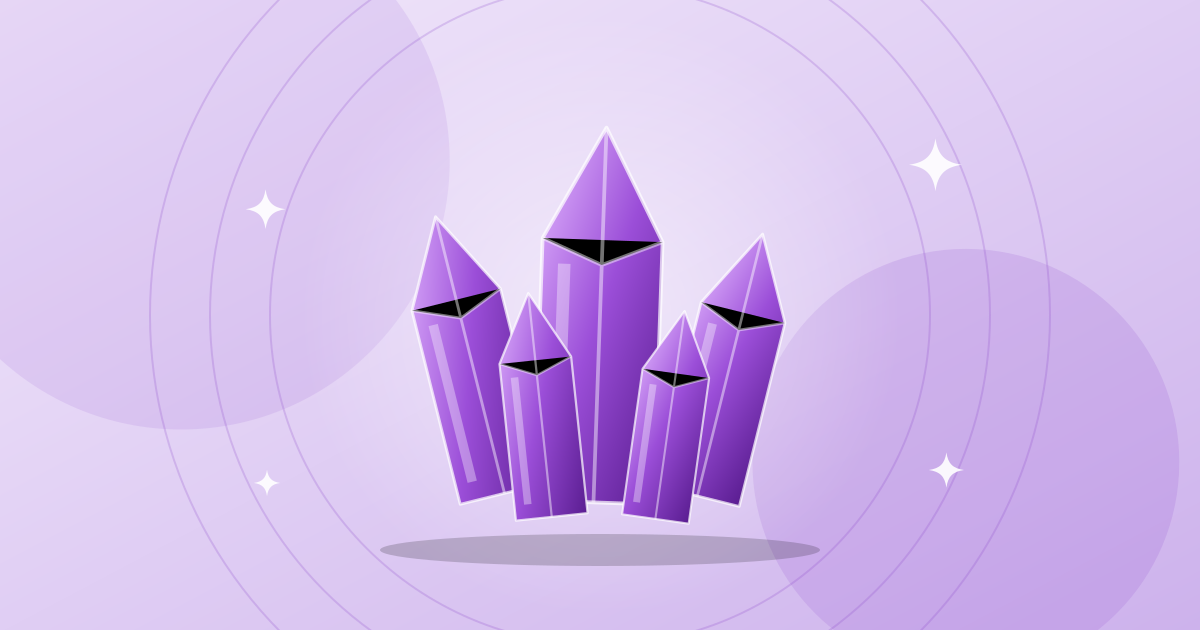
Amethyst
Amethyst is purple quartz, hardness 7, very popular for its color and affordable price; avoid intense sunlight so it does not lose its tone.
 Materials
Aquamarine
Aquamarine is blue-green beryl (7.5-8 on Mohs), from the same family as emerald; transparent and brilliant, it is the March birthstone.
 Materials
Carnelian
Carnelian is a translucent orange-red chalcedony (6.5-7 on Mohs), used for millennia in seals, intaglios and beads.
 Materials
Chrysoprase
Chrysoprase is an apple-green chalcedony colored by nickel (6.5-7 on Mohs); it is translucent and fades if it gets very dry or hot.
 Materials
Citrine
Citrine is a yellow to orange quartz (7 on Mohs), affordable and durable; nearly all on the market come from heated amethyst.
 Materials
Cubic zirconia
Cubic zirconia is a synthetic zirconium oxide (8-8.5 on Mohs), colorless and very inexpensive, used as a diamond simulant.
 Materials
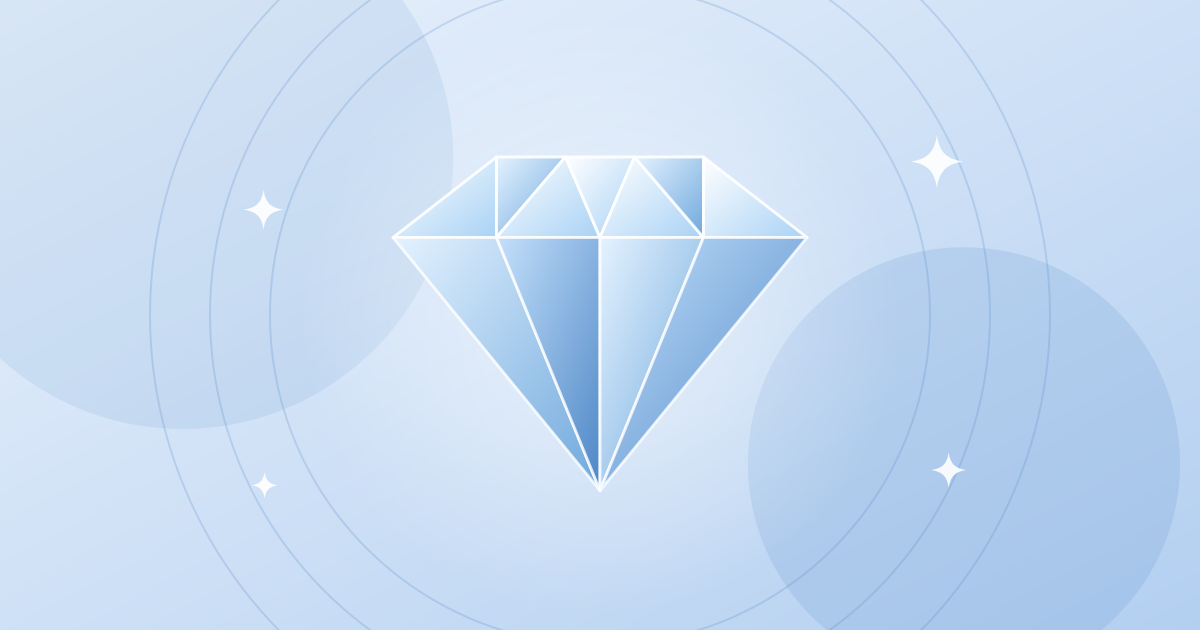
Diamond
The diamond is the symbol of luxury and romance: it is commonly used in the production of engagement rings, wedding rings, high-quality earrings, and necklaces.
 Materials
Emerald
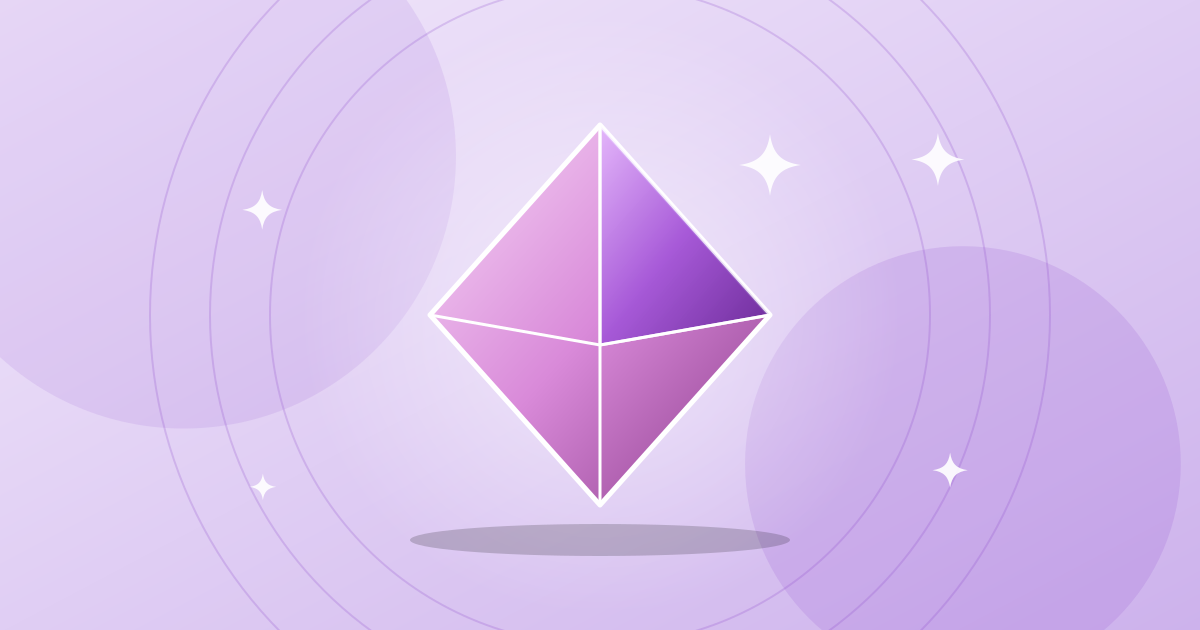
What an emerald is, its types by origin (Colombian, Zambian, Brazilian, trapiche), meaning, hardness, treatments and care.
 Materials
Fluorite
Fluorite is a vividly colored banded mineral (4 on Mohs) with four directions of cleavage; beautiful but soft, best in pieces that are not knocked.
 Materials
Garnet
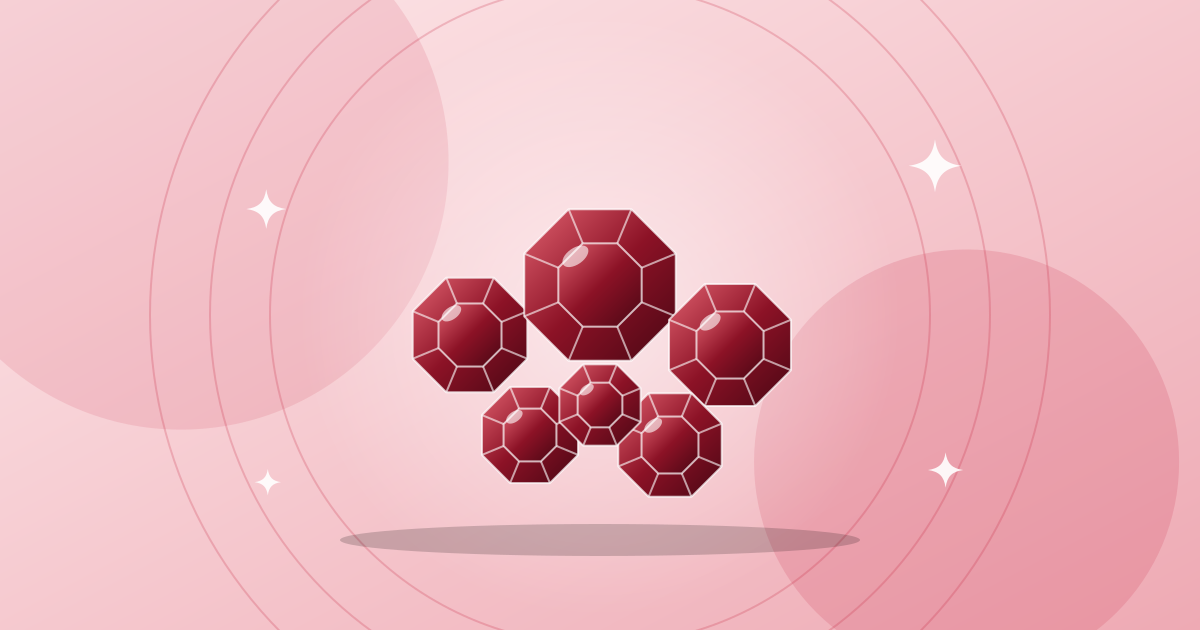
Garnet is a group of minerals with hardness 6.5-7.5, from deep red to green; it is the January birthstone and an affordable, sturdy gem.
 Materials
Gemstones
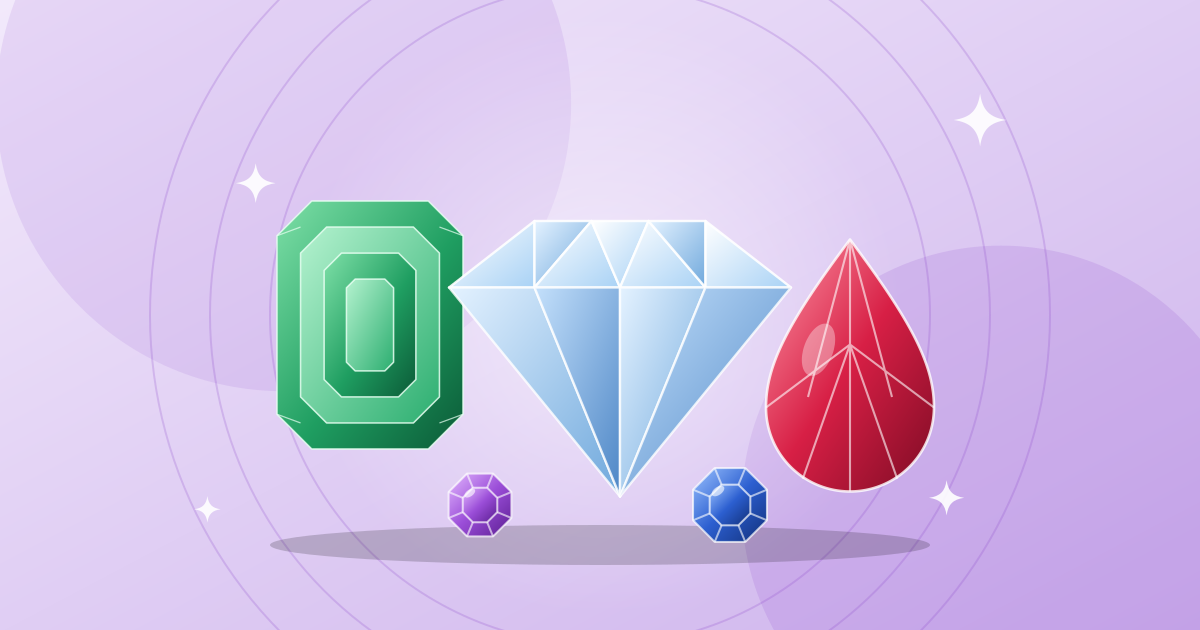
Precious and semi-precious gemstones in jewelry: the difference, types, Mohs hardness, care and a guide to the most used gems.
 Materials
Hematite
Hematite is a dark metallic gray iron mineral (5.5-6.5 on Mohs) cut into beads and cabochons; heavy, brittle and looking like polished steel.
 Materials
Iolite
Iolite is a violet-blue silicate that changes color with the angle (7-7.5 on Mohs); often called “water sapphire” for its look.
 Materials
Jade
Jade is the name for two minerals, jadeite and nephrite; very tough, it is the sacred gem of China, Mesoamerica and New Zealand (pounamu).
 Materials
Jasper
Jasper is an opaque chalcedony in earthy colors with unique patterns (6.5-7 on Mohs); durable, affordable and widely used in cabochons and beads.
 Materials
Kunzite
Kunzite is a soft pink-lilac gem (6.5-7 on Mohs), very luminous but delicate: it chips easily and its color fades in sunlight.
 Materials
Labradorite
Labradorite is a gray feldspar that flashes blue, green and gold as it turns (6-6.5 on Mohs), an effect called labradorescence.
 Materials
Lapis lazuli
Lapis lazuli is a deep blue rock with golden flecks of pyrite, used since ancient Egypt; it is soft (5-5.5) and breaks easily.
 Materials
Larimar
Larimar is a sky-blue stone with white veins (4.5-5 on Mohs) found only in the Dominican Republic; beautiful but soft.
 Materials
Malachite
Malachite is a green copper mineral with concentric bands (3.5-4 on Mohs); very decorative but soft, sensitive to acids and to water.
 Materials
Marcasite
Jewelry marcasite is actually pyrite: tiny brilliant cuts of metallic yellow set in silver; fragile and sensitive to humidity.
 Materials
Moissanite
Moissanite is silicon carbide (9.25 on Mohs), almost always lab-grown, with more fire than diamond and much cheaper.
 Materials
Moonstone
Moonstone is a feldspar with a moving bluish milky glow (adularescence); a June birthstone, it is delicate (6-6.5 on Mohs).
 Materials
Morganite
Morganite is pink or peach beryl (7.5-8 on Mohs), soft in color and quite hard; widely used in engagement rings.
 Materials
Onyx
Onyx is a flat-banded chalcedony, almost always dyed black (6.5-7 on Mohs); a classic of elegant and signet jewelry.
 Materials
Opal
Opal is hydrated silica with a unique play of color; it is soft (5.5-6.5) and sensitive to heat and dehydration, and needs special care.
 Materials
Peridot
Peridot is a gem of luminous olive or lime green, of medium hardness (6.5-7); it is the August birthstone and needs care with knocks and acids.
 Materials
Quartz and its varieties
Quartz is the most common mineral in jewelry (hardness 7): rock crystal, amethyst, citrine, rose quartz, smoky quartz, agate and chalcedony.
 Materials
Rhodochrosite
Rhodochrosite is a pink manganese carbonate with white bands (3.5-4 on Mohs); Argentina's national stone, beautiful but soft.
 Materials
Rock crystal
Rock crystal is colorless, transparent quartz (7 on Mohs), used since antiquity in beads, carvings and jewels; also imitated with glass.
 Materials
Rose quartz
Rose quartz is a translucent quartz of soft, milky pink (7 on Mohs); durable and affordable, cut into cabochons, beads and hearts.
 Materials
Ruby
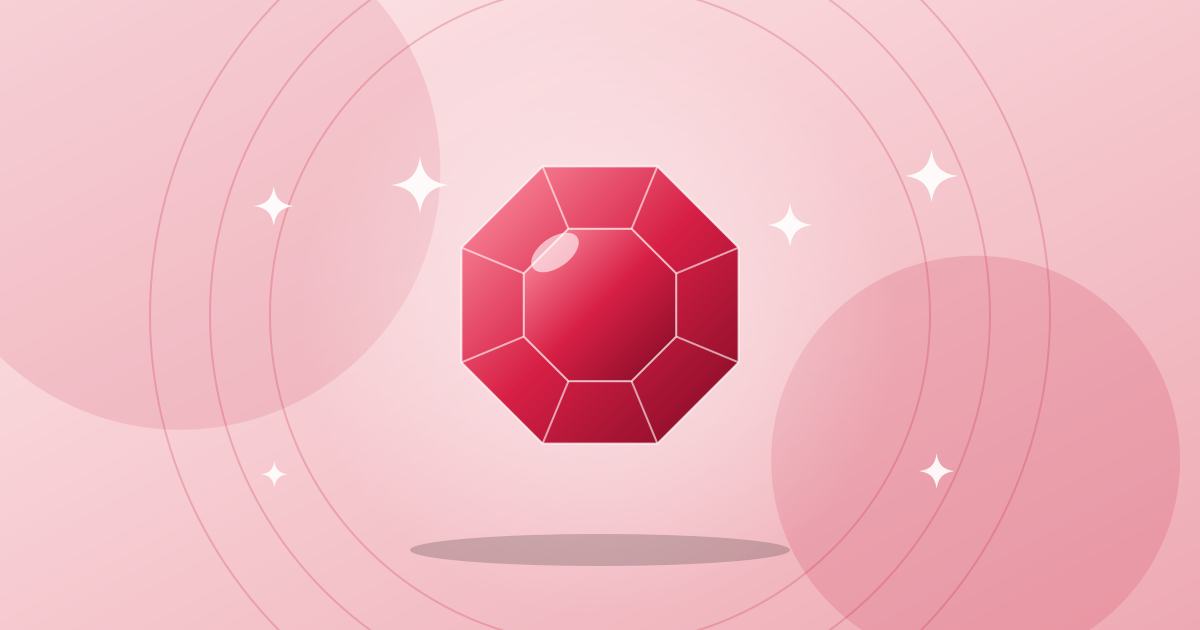
Ruby is the red variety of corundum, a very hard gem (9 on Mohs) colored by chromium; it is valued for its color, clarity and origin.
 Materials
Sapphire
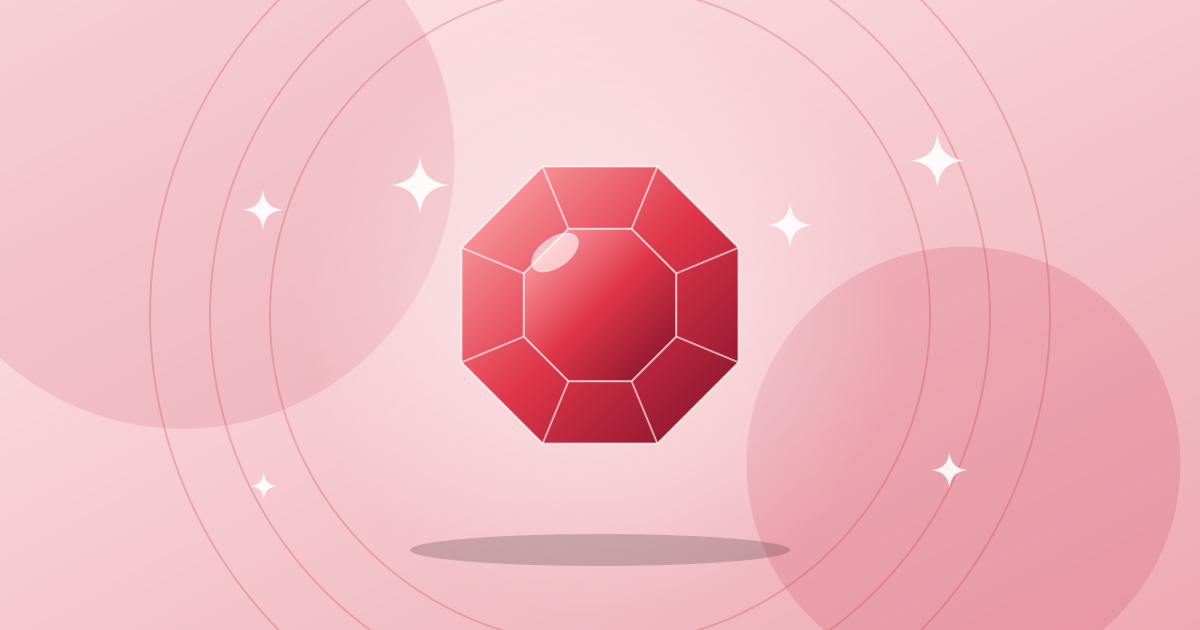
Sapphire is corundum in any color except red, famous for blue; very hard (9 on Mohs), it is ideal for engagement rings and everyday wear.
 Materials
Spinel
Spinel is a hard gem (8 on Mohs) in vivid colors, famous for having been mistaken for ruby for centuries; suitable for everyday wear.
 Materials
Tiger's eye
Tiger's eye is a quartz with silky golden and brown bands (7 on Mohs) that give a moving sheen; durable and affordable for cabochons.
 Materials
Topaz
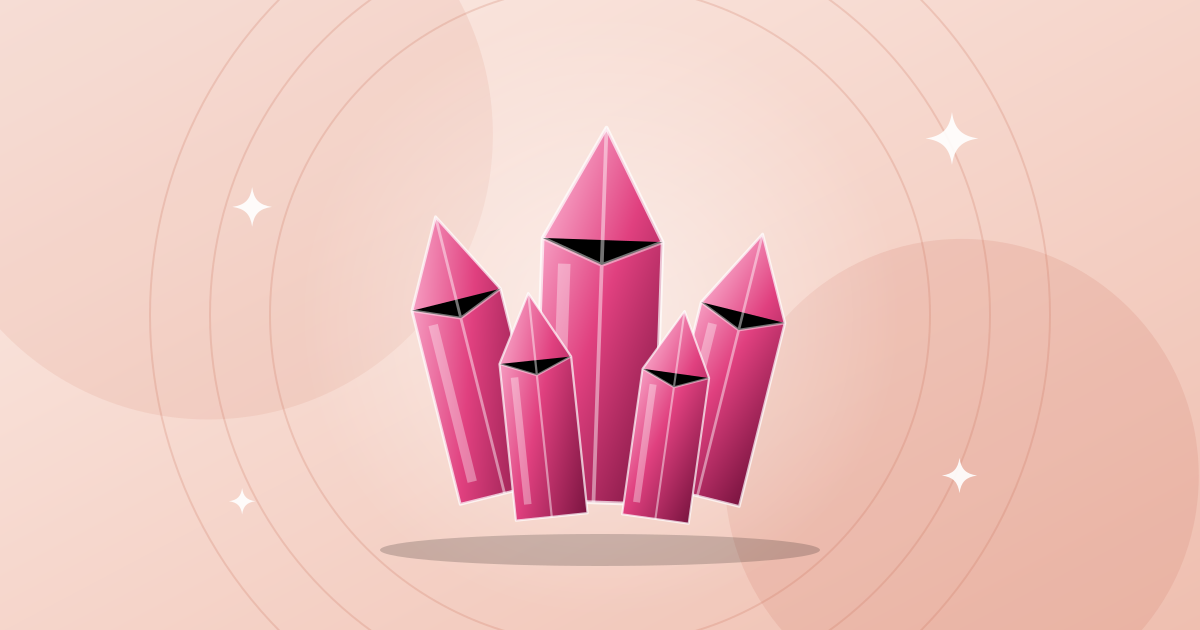
Topaz is a hard aluminum silicate (8 on Mohs) with easy cleavage; blue topaz is usually treated. The November birthstone.
 Materials
Tourmaline
Tourmaline is a family of gems in every color (7-7.5 on Mohs), with varieties such as watermelon and Paraíba; it is the October birthstone.
 Materials
Tsavorite
Tsavorite is an intense green garnet (7-7.5 on Mohs) from Kenya and Tanzania, very brilliant and almost free of inclusions; an alternative to emerald.
 Materials
Turquoise
Turquoise is a copper aluminum phosphate in blue to green, prized since antiquity; it is porous and soft (5-6) and is usually stabilized.
Organic materials
 Materials
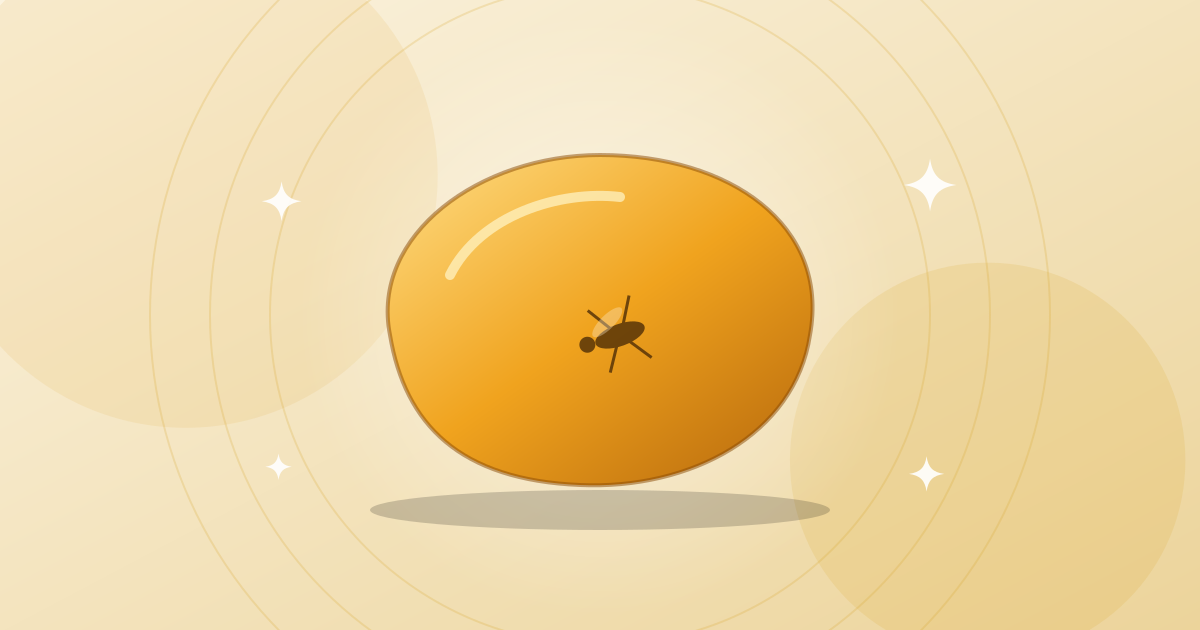
Amber
Amber is fossil tree resin millions of years old, light and warm, sometimes with trapped insects; it is worked into beads and cabochons.
 Materials
Bone and ivory
Bone is carved into beads, pendants and amulets; elephant ivory is banned and is now replaced by bone, tagua or resin.
 Materials
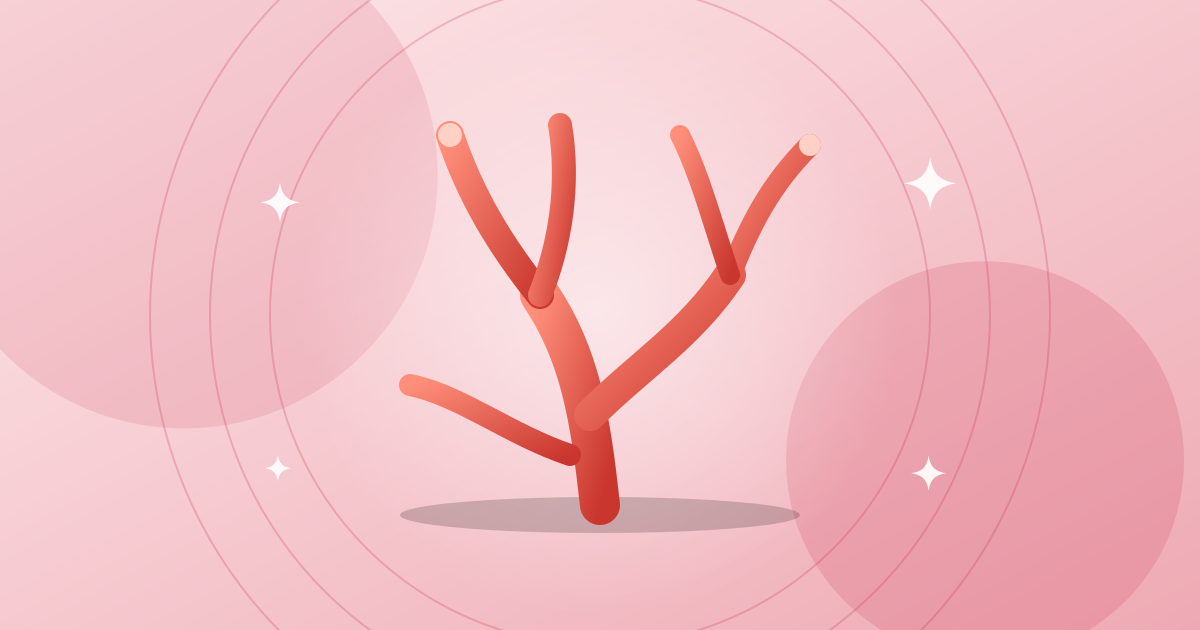
Coral
Coral is the skeleton of marine colonies; red and pink coral is carved into beads and cabochons, and its use calls for attention to origin.
 Materials
Horn and antler
Horn and deer antler are carved and polished into pendants, buttons and earrings with a natural, sturdy look.
 Materials
Jet
Jet is a black variety of lignite, light and polishable, used in mourning jewelry and as an amulet, notably from Asturias and Whitby.
 Materials
Leather
Leather is used for bracelets, necklaces and straps for its flexibility and warm look; it can be braided, stitched, engraved and pairs well with metal.
 Materials
Mother-of-pearl and shells
Mother-of-pearl is the iridescent inner layer of many shells; it is carved into beads, cameos and shimmering inlays.
 Materials
Pearls
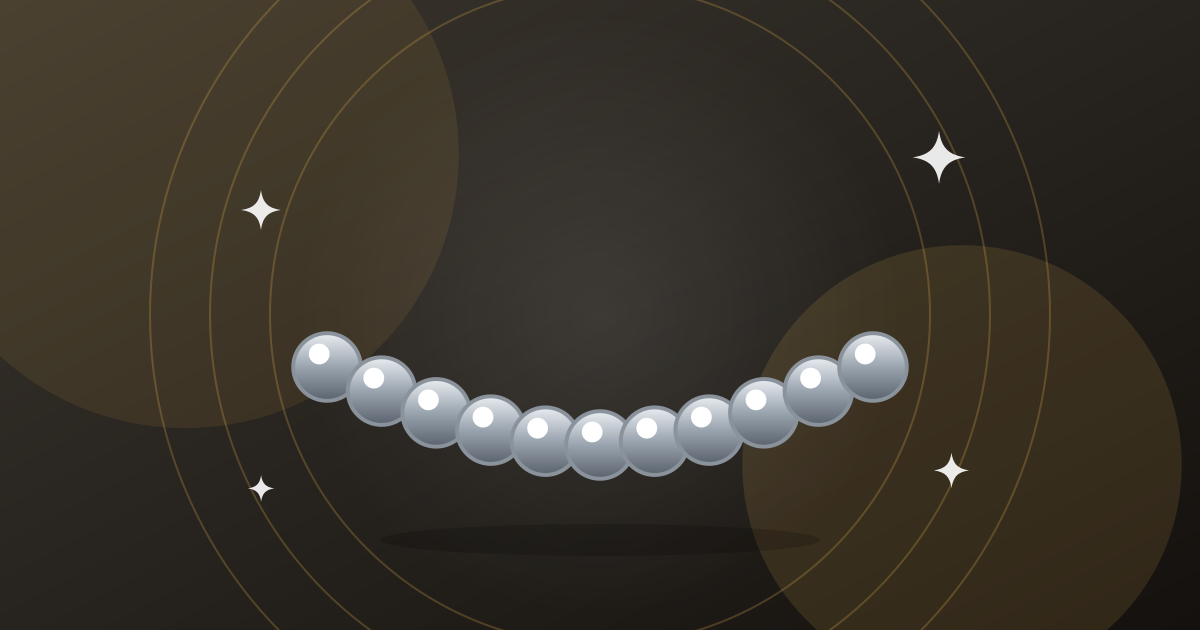
Pearls form inside mollusks and are prized for their luster; they can be natural or cultured, saltwater or freshwater.
 Materials
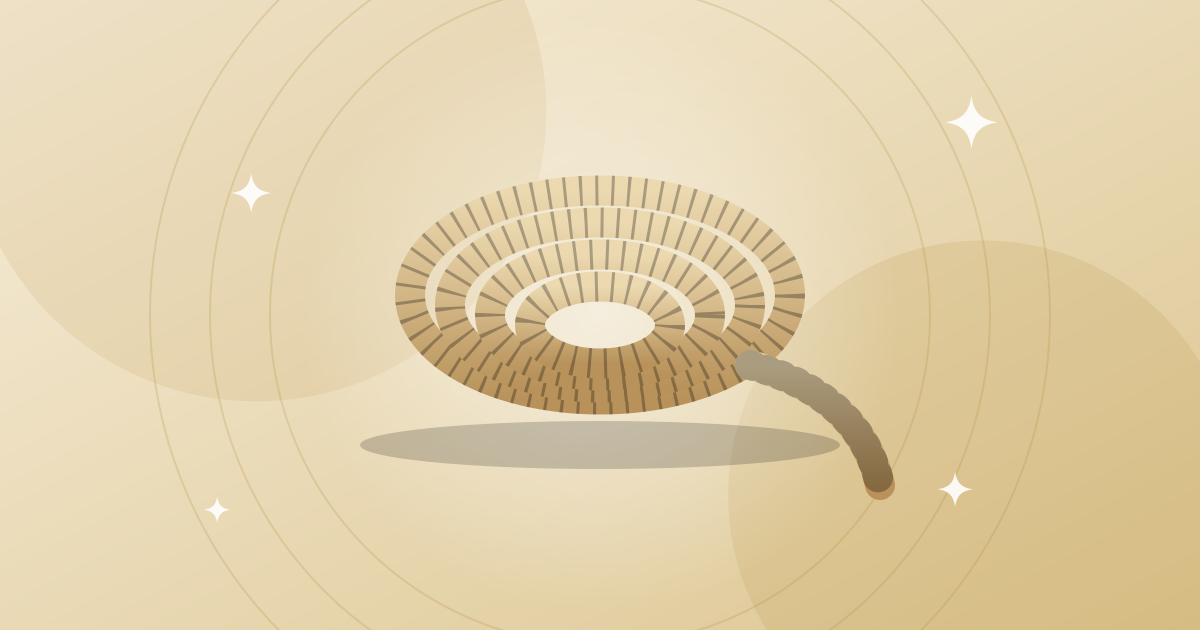
Rope and cord
Rope and cord (cotton, hemp, nylon, silk or waxed) make light, colorful and versatile bracelets, necklaces and pendants.
 Materials
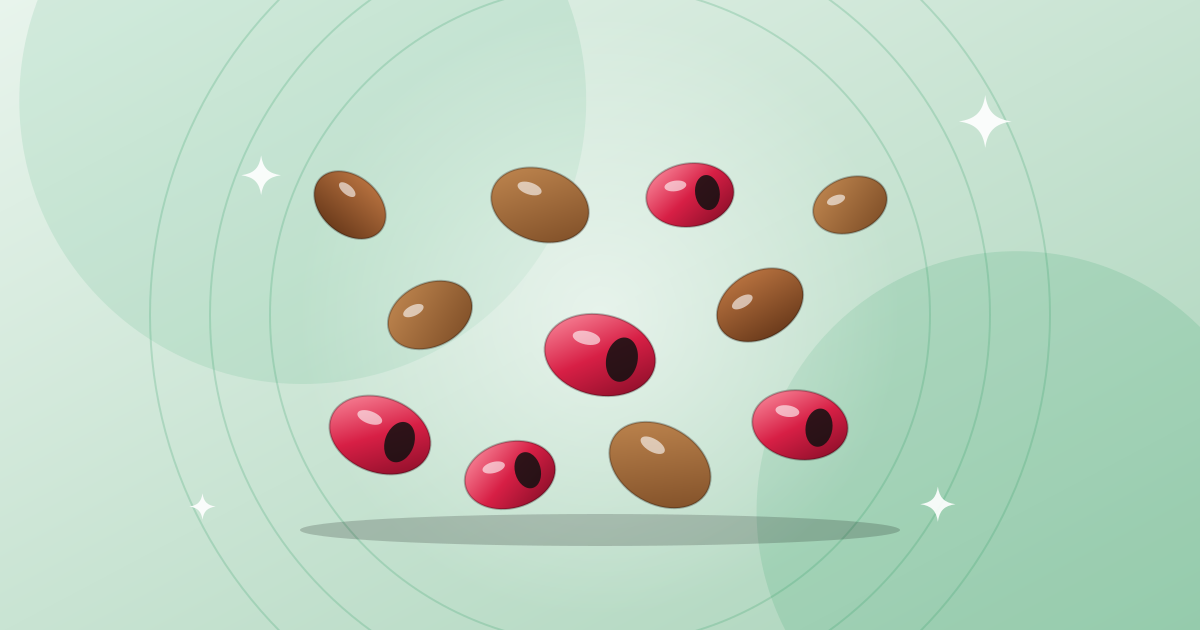
Seeds, tagua and nuts
Seeds, tagua (vegetable ivory) and nuts become eco-friendly, colorful and light beads for necklaces and bracelets.
 Materials
Silk and textile threads
Silk, cotton and other textile threads are woven, embroidered and knotted into soft, colorful, light jewelry, or used to string pearls.
 Materials
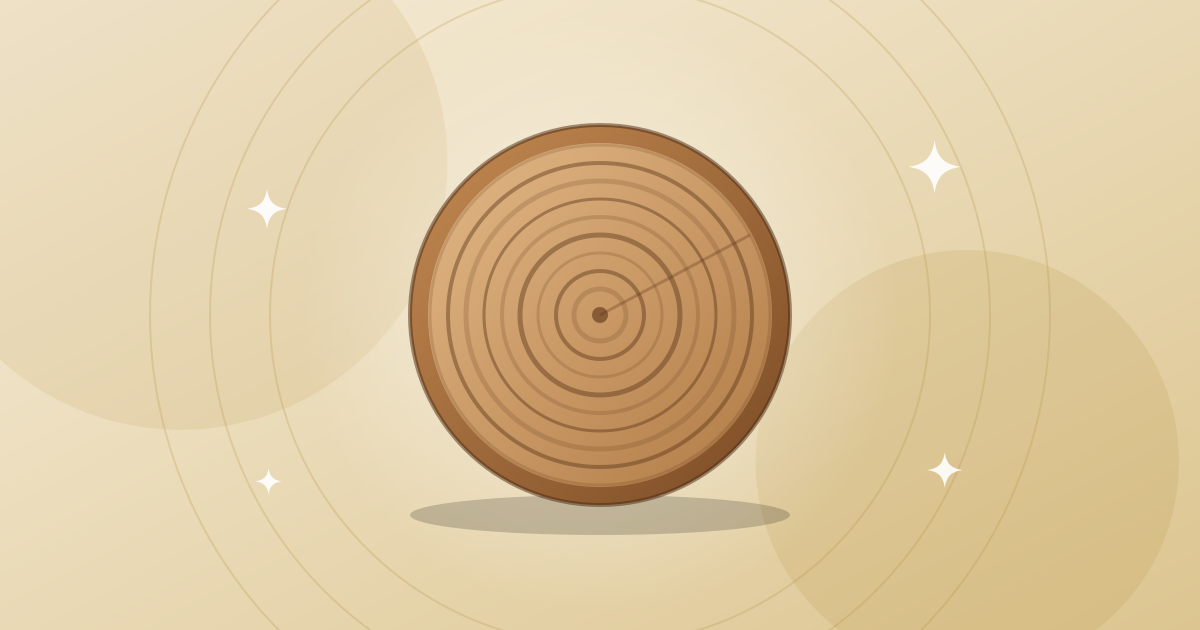
Wood
Wood adds warmth and lightness to rings, earrings and beads; it is carved, turned and sealed, and pairs well with metal and resin.
Synthetic and other
 Materials
Ceramics and porcelain
Ceramics and porcelain, hand-modeled and fired, make light, colorful beads, earrings and pendants with unique glazes.
 Materials
Enamel
Vitreous enamel is powdered glass fused onto metal at high temperature; it gives intense, lasting colors in techniques such as cloisonné.
 Materials
Glass and crystal
Glass and crystal are melted, blown and cut into beads, cabochons and faceted stones with great shine and color at an accessible price.
 Materials
Plastics, acetate and silicone
Plastics, cellulose acetate and silicone make light, colorful and affordable jewelry, from designer earrings to sports rings.
 Materials
Resin
Epoxy or UV resin is poured into molds to create light, colorful jewelry, with dried flowers, glitter or pigments embedded.
Workshop materials
 Materials
Flux for soldering
Flux cleans the metal, prevents oxidation and helps solder flow; it comes as paste, liquid and powder, and is removed afterwards with pickle.
 Materials
Jewelry solders: hard, medium and easy
Jewelry solders are classed by melting point (extra hard, hard, medium, easy); the hardest is used first so you can solder again without melting earlier joints.
 Materials
Jewelry waxes for carving and casting
Jewelry waxes (hard, soft, injection, sheet) are used to carve or model the original that will be cast; they burn out without leaving ash.
 Materials
Polishing compounds: tripoli, rouge and more
Polishing compounds are bars of fine abrasive (tripoli, rouge, white diamond) applied to felt or cotton wheels; each one cuts or brightens a type of metal.
 Materials
Refractory investment for casting
Investment is a refractory plaster with silica that surrounds the wax model and withstands the heat of molten metal; it is mixed with water, vacuumed and burned out.
 Materials
Gold as currency
The use of gold as money spread across different cultures and civilizations, such as the Romans, the Greeks and the Persians.
 Materials
History of gold
History of gold in jewelry and the economy: Varna, Egypt, Lydia, the conquest of the Americas, the gold rush and today. Timeline and questions.
 Materials
Gold as an investment
Investing in gold jewelry can be an interesting option for some people because of the stability and lasting value of gold as a precious metal.