Care and cleaning of silver jewelry

How to clean silver jewelry? General tips for the care and cleaning of silver jewelry
How to clean silver jewelry? #
Cleaning silver is important to maintain its shine and beauty over time. Here are some tips on how to clean silver:
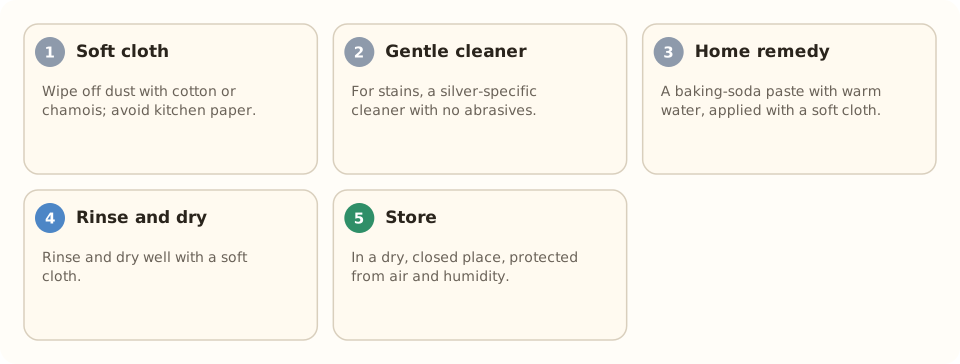
- Regular cleaning: To keep silver clean, wipe it regularly with a soft cotton or chamois cloth to remove dust and surface dirt. Avoid using abrasive cloths or kitchen paper, as they can scratch the silver.
- Mild cleaners: If the silver is very dirty or stained, you can use mild cleaners made specifically for silver. Avoid cleaners with abrasive ingredients, as they can damage the silver. Follow the cleaner's instructions and make sure to rinse and dry the silver well after using it.
- Avoid contact with chemicals: Keep your silver jewelry from coming into contact with harsh chemicals.
- There are several simple home methods to clean silver and restore its original shine. Some of them are:
- Baking soda home remedy: If you do not have a silver cleaner, you can make a home remedy by mixing baking soda with warm water until it forms a thick paste. Apply the paste to the silver with a soft cloth and rub gently in circular motions. Then rinse well and dry the silver.
- Lemon and salt: Rub the silver with half a lemon sprinkled with salt and let it work for a few minutes. Then rinse and dry with a soft cloth.
- Baking soda and vinegar: Mix a tablespoon of baking soda with a quarter cup of white vinegar until it forms a paste. Apply the paste to the silver with a cloth and rub well. Then rinse and dry with a soft cloth.
- Toothpaste: Wash the silver with hot water and neutral soap. Then apply toothpaste to the silver and rub with a cloth or a soft-bristle toothbrush. Finally, rinse and dry with a soft cloth.
- Aluminum foil and baking soda or salt: Place aluminum foil at the bottom of a container and fill it with boiling water. Add two tablespoons of baking soda or salt and immerse the silver. Let it work for a few minutes and then dry with a soft cloth.
- Professional cleaners: If you have very valuable or antique silver pieces, it is advisable to take them to a professional jeweler for specialized cleaning. They will have the knowledge and the right tools to care for and clean your silver jewelry safely.
Remember that each piece of silver can be unique, so it is important to follow the manufacturer's instructions or seek professional advice if you have doubts about how to clean a specific piece.
Proper storage for silver jewelry #
Proper storage of silver jewelry is important to maintain its shine and prevent oxidation. Here are some guidelines for storing your silver jewelry safely:
- Wrap the jewelry: Wrap each piece of silver in a soft, lint-free cloth, such as cotton or velvet, before storing it. This will help protect it from scratches and avoid direct contact with air, which can speed up oxidation.
- Avoid humidity: Store your silver jewelry in a dry place, away from humidity and direct exposure to air. Humidity can speed up the oxidation of silver. If you live in an especially humid area, consider using anti-tarnish bags or boxes that absorb moisture.
- Separate the pieces: Store each piece of silver jewelry separately to avoid contact between them, since this can cause scratches and tangles. You can use individual cloth bags or boxes with compartments to keep the pieces organized.
- Avoid direct sunlight: Direct sunlight can speed up the oxidation of silver. Store your jewelry in a dark place or in a closed box to protect it from direct sunlight.
- Avoid contact with chemicals: Keep your silver jewelry from coming into contact with harsh chemicals, such as perfumes, lotions, chlorine and cleaning products. These products can damage silver and speed up its oxidation. Make sure to take off your jewelry before applying any chemical products.
By following these storage guidelines, you can help keep your silver jewelry in good condition and prolong its shine and beauty over time.
How climate affects silver jewelry #
Climate can affect silver jewelry in several ways because of the interaction of silver with elements present in the environment. Here are some climate factors that can influence silver jewelry:
- Humidity: Humidity is one of the main factors that can speed up the oxidation of silver. In humid climates, water and moisture in the air can react with silver and cause stains or corrosion. It is therefore important to protect your silver jewelry from humidity and store it in a dry place.
- Extreme heat: Excessive heat can affect silver and cause changes in its structure. In very hot climates, silver can soften or deform. In addition, if silver jewelry is exposed to extremely high temperatures, such as in a fire, it can melt or suffer irreparable damage.
- Exposure to sunlight: Direct sunlight can have a negative effect on silver jewelry. Ultraviolet rays can speed up the oxidation process of silver and make it darken more quickly. It is therefore advisable to avoid prolonged exposure of silver jewelry to direct sunlight.
- Atmospheric pollutants: In urban or industrial areas with high levels of air pollution, pollutants such as sulfur dioxide or acid gases can speed up the oxidation of silver and damage jewelry. These pollutants can be present in the air and stick to the surface of the silver, causing stains or corrosion.
To protect your silver jewelry from the climate, it is important to follow the proper storage recommendations mentioned above. In addition, avoid wearing your silver jewelry in situations where it is exposed to extreme weather conditions, such as hot springs, swimming in salt or chlorinated water, playing intense sports or working with chemicals.
Related articles
 Techniques
Pavé setting
Pavé covers a metal surface with many small stones held by tiny beads of metal, as if “paved”; it gives continuous sparkle.
 Techniques
Burnishing: smoothing without removing metal
Burnishing smooths and shines metal by rubbing it with a polished steel tool, without removing material; used on bezels, prongs and as a final finish.
 Techniques
Metal clay (PMC)
Metal clay mixes silver or gold powder with a binder; it is hand-modeled and fired into solid metal. A modern, accessible technique.