Planning to design jewelry with original and unique designs
General guide to the process of designing original and unique jewelry #
Planning to design jewelry with original and unique designs involves a creative and technical process that can vary depending on the designer and the specific project.
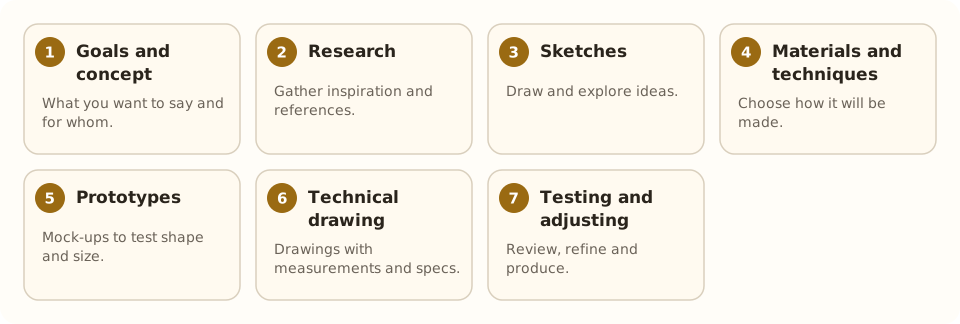
Defining goals and concept #
- Start by defining your goals. What kind of jewelry do you want to design? Who is your target audience?
- Establish a concept or theme for your jewelry collection. This will help give coherence and direction to your designs.
How goals and concepts are defined for designing jewelry #
Defining a goal and a concept for designing a jewel is essential to give direction and meaning to your creative process. Here is how to do it:
Defining the goal
The goal in jewelry design refers to the reason or purpose behind creating a specific piece. This can vary widely according to your personal or professional aims. To define a clear goal:
- Identify your audience: Who is the target audience for your jewel? Are you designing for a specific client or for a collection in general?
- Establish a function: What function will the jewel have? Is it an engagement ring, a fashion accessory, a statement piece, a wearable work of art?
- Consider the budget: What price range would you like the jewel to sell in? This can influence the materials and techniques you use.
- Explore personal goals: What do you want to achieve with this jewel? Do you want to convey an emotion, tell a story, experiment with new materials or techniques?
Defining the concept
The concept is the main idea or central theme that inspires your jewel design. It provides a creative approach and a conceptual basis for your work. Here are steps to define a concept:
- Research and inspiration: Research topics that interest you and look for inspiration in different sources, such as nature, culture, art history, architecture, etc.
- Create an inspiration board: Collect images, colors, textures and anything else that inspires you on a visual board. This can help you see patterns and connections.
- Refine your concept: As you research, look for recurring patterns and themes on your inspiration board. This will help you define a more specific concept.
- Narrative or story: Often, a concept can include a narrative or a story behind the jewel. This can add depth and meaning to your design.
- Visual expression: Think about how you will express your concept through the design. Which visual elements, such as shapes, colors, textures and details, will best reflect your concept?
- Initial sketches: Start creating sketches and conceptual drawings based on your concept. This will help you visualize how the jewel will look in reality.
By combining a clear goal with a well-defined concept, you will be on the right track to design jewelry that is meaningful, coherent and that meets your goals and the expectations of your audience. The interplay between goal and concept enriches your creative process and can lead to truly unique and exciting designs.
Research and gathering inspiration #
- Research current and past jewelry design trends.
- Look for inspiration in nature, culture, architecture, art and other related fields.
- Create a visual inspiration board with images, colors and textures that inspire you.
Ideas on how to research and gather information for jewelry design inspiration #
Researching and gathering information to inspire jewelry design is a crucial part of the creative process. Here are some steps and approaches to carry out this research effectively:
- Visit museums and art galleries: Exploring exhibitions of historical and contemporary jewelry, as well as works of art in general, can give you a great source of inspiration. Observe the designs, materials and techniques used in different eras and cultures.
- Research fashion and jewelry trends: Keep up with current trends in fashion and jewelry. Fashion magazines, design blogs and social media are excellent resources for following the latest trends and discovering what is in vogue.
- Study nature: Nature is an inexhaustible source of inspiration for jewelry designers. Observe the shapes, colors and textures of flowers, leaves, shells, stones and other natural elements. You can take organic elements and turn them into unique designs.
- Explore culture and history: Immerse yourself in the history of jewelry of different cultures. Research the symbolism, materials and techniques used in ancient and traditional jewelry. You can also research the jewels worn by ancient civilizations to get ideas.
- Create an inspiration board: Use tools such as Pinterest or mood-board apps to collect images, photos and examples of jewelry that catch your eye. Organize these images into categories or themes related to your project.
- Research materials and techniques: Familiarize yourself with different jewelry materials, such as metals, precious stones, pearls and unconventional materials. Learn about manufacturing techniques, such as soldering, stone setting, enameling, casting, etc. The more you know about the technical possibilities, the more creative you can be in your designs.
- Travel and experiences: If possible, travel and experience different cultures and environments. Travel can give you a unique vision and experiences that can influence your designs. Observe the local architecture, crafts and fashion at your destinations.
- Collaboration and networking: Connect with other jewelry designers, craftspeople and professionals in the fashion world. Conversations and collaborations can lead to new ideas and creative perspectives.
- Books and educational resources: Research and read books, magazines and educational resources related to jewelry and design. These resources can give you valuable technical and creative information.
- Experiment and prototype: As you research and gather information, do not hesitate to experiment with materials and techniques. Create prototypes and mock-ups to visualize your ideas and concepts.
Remember that inspiration can come from anywhere, so it is important to keep an open mind and be willing to explore different sources. The combination of diverse influences and experiences can lead to truly unique and exciting jewelry designs.
Initial design and sketches #
- Start creating sketches and conceptual drawings of your ideas. Do not worry about technical details at this stage; focus on creativity.
- Experiment with different shapes, materials and combinations.
How to start creating sketches to conceptualize ideas when designing jewelry #
Starting to create sketches is an exciting part of the jewelry design process, since it lets you put your ideas and concepts on paper in a visual way. Here is a step-by-step guide to start sketching and conceptualizing your ideas:
Gather your materials
- Get a sketchbook or good-quality blank paper.
- Gather pencils, erasers, pens, markers, watercolors or any other material you prefer to use for your sketches.
Get inspired
- Before you start drawing, review your sources of inspiration (such as mood boards, photographs, images of nature, art, culture, etc.) to refresh your mind with the ideas you want to explore.
Set up a creative workspace
- Find a quiet, comfortable place where you can focus on your sketches without distractions.
Visualize your design
- Close your eyes and visualize your jewelry design in your mind. Think about the details, shapes, colors and any important features you want to include.
Draw basic shapes
- Start with simple shapes, such as circles, ovals, rectangles and lines. These shapes will serve as starting points for your design.
Experiment with designs
- Start adding details and experimenting with different design elements. You can change the size, position and shape of the pieces in your sketch.
Mind proportion and scale
- Make sure the proportions are right and that the jewel looks balanced on paper. Pay attention to the scale of the gems, stones and decorative elements.
Include technical details
- If you have a clear idea of how the jewel will be made, consider including technical details in your sketch, such as settings, hinges or fastening systems.
Play with materials
- Use different shading and texturing techniques to represent different materials. This can help you visualize how metals and precious stones will look in your design.
Jot down notes and comments
- As you draw, take notes on the ideas and concepts you have in mind. This will help you remember your thoughts while you work on the design.
Explore different perspectives
- Feel free to create multiple sketches from different angles and perspectives to get a complete understanding of your design.
Refine your sketches
- Do not worry about making the perfect sketch from the start. Initial sketches can be rough and loose. Later you can refine and improve the designs you like most.
Share and seek feedback:
- Showing your sketches to friends, family or colleagues in the jewelry field can be useful for getting comments and suggestions.
Constant practice will improve your drawing skills and let you express your ideas more effectively. Do not be afraid to experiment and explore new ideas in your sketches, since this stage is an evolving creative process that will help you refine and develop your unique jewelry designs.
Selecting materials and techniques #
- Consider the materials that best suit your design, such as precious metals, precious stones, leather, resin, etc.
- Decide which manufacturing techniques will be needed to carry out your design, such as soldering, setting, enameling, casting, among others.
How to select the materials and technique for designing a jewel #
Selecting materials and techniques for designing a jewel is an essential part of the design process and can significantly influence the final result. Here are the steps for selecting the right materials and technique:
Define your concept and goal
- Before selecting materials and techniques, you must have a clear understanding of your design concept and your goals. What do you want to achieve with this jewel? What story or emotion do you want to convey? Who is your target audience?
Research and get to know the materials
- Learn about the materials available for jewelry, such as precious metals (gold, silver, platinum), precious stones (diamonds, sapphires, rubies, emeralds), pearls, leather, resin, wood, glass and other unconventional materials. Research their properties, colors, durability and unique characteristics.
Consider the budget
- The budget can influence the selection of materials. Some materials, such as gold and precious stones, can be expensive, while others are more affordable. Make sure to adjust your choice of materials to the budget of your project.
Pay attention to style and aesthetics
- Materials should fit the style and aesthetics of your design. For example, gold and gems are usually used in luxury, elegant jewelry, while leather and natural materials may be better suited to rustic or bohemian designs.
Consider functionality and durability
- Think about how the jewel will be used and select materials suited to its purpose. For example, a wedding band must be durable and resistant to daily wear.
Explore manufacturing techniques
- Research the available jewelry-making techniques, such as soldering, stone setting, enameling, lost-wax casting, filigree, among others. Learn about the skills needed for each technique and how they apply to your design.
Align materials and techniques
- Start combining the materials and techniques that best suit your design and concept. For example, if you want to create a jewel with an intricate design, you can opt for filigree and use precious metals.
Create prototypes and experiment
- Before committing to a final design, create prototypes or test models to experiment with the materials and techniques. This will let you evaluate how they look and feel in reality.
Seek professional advice
- If you have no experience in selecting materials or applying certain techniques, seek the guidance of an experienced jeweler. An expert can give you valuable advice on the most suitable materials and best manufacturing practices.
Evaluate and adjust your choice
- Review your choice of materials and techniques as you move forward in the design process. If necessary, make adjustments to make sure your design meets your goals and expectations.
The selection of materials and techniques is an exciting part of the jewelry design process, and can open opportunities for creativity and innovation. By making informed decisions based on your concept, goal, style and budget, you will be able to create unique, meaningful jewels that reflect your artistic vision.
Developing prototypes and mock-ups #
- Create prototypes or mock-ups of your designs to visualize how they will look in reality.
- Make adjustments and improvements as needed.
How to develop prototypes and mock-ups for designing jewelry #
Developing prototypes and mock-ups is an important part of the jewelry design process, since it lets you visualize and perfect your ideas before creating the final piece. Here are the steps for developing jewelry prototypes and mock-ups:
Materials and tools needed
- Gather the materials and tools needed to create your prototypes. This can include sheet metals (such as brass or copper), wires, fake stones, polymer clay, pliers, files, saws, pencils, paper, and more, depending on the type of jewel you are designing.
Draw an initial sketch
- Start with a detailed sketch of your design. This will help you plan how your prototype will look and which materials and techniques you need.
Select the right materials and techniques
- Choose the materials you will use to create your prototype. If you are working with precious metals, you may want to use less costly metals (such as brass or copper) for your prototype. Decide which manufacturing techniques you will use, such as soldering, stone setting, enameling, etc.
Create the basic structure
- Start by building the basic structure of your jewel using wires or sheet metal. If you are designing a jewel with stones, consider how the stones will be fixed in place.
Assemble the components
- Assemble the components of your jewel following the design you have planned. This can include soldering the metal pieces, setting the stones, or any other technique needed for your design.
Add details and finishes
- Add any extra details or finishes that are part of your design, such as textures, patterns, enamel, engravings, etc.
Evaluate and adjust
- Evaluate your prototype carefully. Check whether it meets your expectations in terms of aesthetics and functionality. If necessary, make adjustments and corrections to the prototype.
Do wear tests
- If possible, use the prototype to test its comfort and functionality. This is especially important for jewelry that will be worn on the body, such as rings and bracelets.
Record notes and improvements
- Take detailed notes of your observations during the evaluation and testing process. These notes will help you make improvements to the final design.
Create a final mock-up
- Once you are satisfied with the prototype and have made all the necessary improvements, you can create a final mock-up using the definitive materials and the final techniques you will use in the complete jewel. Make sure this mock-up is an accurate representation of your final design.
Document your process
- Take photographs of your prototypes and mock-ups throughout the process. This will help you document your work and share it with others if necessary.
Developing prototypes and mock-ups lets you perfect your design before investing in the precious materials and final techniques. It is also an opportunity to experiment and explore different creative approaches. Do not hesitate to iterate and adjust your design during this process until you are completely satisfied with the final result.
Technical design and specifications #
- Convert your conceptual designs into detailed technical drawings with precise measurements.
- Establish the technical specifications for each piece, such as sizes, materials and finishes.
Key aspects for creating technical drawings with specifications for designing jewelry #
When you are creating technical drawings and specifications for designing jewelry, it is important to be precise and detailed so that craftspeople and manufacturers can understand and execute your design effectively. Here are some key aspects to keep in mind:
- Appropriate scale: Define a clear scale for your technical drawings. You can use a 1:1 scale so that the drawing is the same size as the final jewel, or you can specify a different scale if necessary.
- Precise measurements: Indicate all measurements precisely. This includes length, width, thickness and any other measurements relevant to the jewel. Use standard units of measurement (millimeters or centimeters) and be consistent throughout the drawing.
- Multiple views: Provide multiple views of the jewel from different angles. Isometric drawings and front, side and back views can be useful for representing all the details.
- Detail of components: Draw each component and detail of the jewel, including stones, settings, decorative details, clasps and any other important element. Label each part clearly and specify its material and dimensions.
- Drawing symbols and conventions: Use standard drawing symbols and conventions to represent common elements, such as precious stones, drill holes, solder joints, engravings, textures and finishes. Make sure to include a legend explaining the meaning of the symbols used.
- Specified material: Clearly indicate the material to be used for each part of the jewel. This can include metal alloys, types of precious stones, pearls, leather, enamel, etc. Specify any plating or coating material if relevant.
- Tolerances: If necessary, establish tolerances for critical dimensions. This is especially important when working with elements that must fit together perfectly, such as clasps and settings.
- Manufacturing details: Describe any specific manufacturing technique that must be used, such as soldering, casting, setting, engraving or enameling. Include detailed instructions for carrying out these techniques.
- Finishes and textures: Specify the finishes and textures to be applied to the jewel. They can include polished, matte, satin, brushed, rough or granulated textures, etc.
- Additional notes: Add extra notes to clarify any important detail or special consideration. This can include instructions for gem selection, the type of setting, the orientation of the stones, among others.
- Marking and trademark: If your jewel carries a logo, a trademark or a special inscription, indicate it clearly on the drawing and specify its location and size.
- Colors and visual materials: You can use colors and shading to represent different materials and finishes in your technical drawing. This can help manufacturers better understand your vision.
Remember that clarity and precision are essential in technical jewelry drawings. Always check your specifications and drawings before sending them to a manufacturer to make sure they are complete and understandable. Effective communication through technical drawings is key to achieving a final jewel that fits your vision and expectations.
Production
- If you are an independent designer, you can choose to produce your pieces yourself or work with specialized craftspeople and manufacturers.
- Make sure production conforms to the technical and quality specifications.
Producing a jewel #
Once you have the technical drawing and specifications of a jewel, the production process can follow these general steps:
- Selecting materials: With the specifications in hand, the first step is to select the materials that will be used to create the jewel. This includes choosing the metals (for example gold, silver, platinum), the precious stones, the pearls or other materials according to the design.
- Preparing materials: The selected materials are prepared for use. Metals are melted and turned into sheets, wires or specific pieces. Precious stones are cut and polished if necessary. Any other material is worked according to the specifications.
- Cutting and forming: The materials are cut and shaped according to the design. The individual components of the jewel are cut to the exact dimensions required.
- Soldering and assembly: If necessary, soldering processes are carried out to join metal pieces. Then all the components of the jewel are assembled according to the technical drawing. This can include connecting chains, fixing precious stones, soldering components and other specific assemblies.
- Stone setting: If your jewel includes precious stones, they are precisely set in their corresponding mountings. This process is done carefully to ensure the stones are secure and correctly aligned.
- Finishing: The jewel goes through a finishing process that gives it the desired appearance and shine. This can include polishing, brushing, matting, satin finishing or any other specific finish that was stated in the specifications.
- Quality control: A thorough quality inspection is carried out to verify that the jewel meets the specifications and quality standards. Measurements, setting stability, material integrity and overall appearance are checked.
- Testing and adjustments: If necessary, additional tests are carried out to make sure the jewel is functional and comfortable to wear. Final adjustments are made as needed.
- Packaging and presentation: Once the jewel has passed all quality tests and has been approved, it is packaged. This can include a custom jewelry box and any other special presentation that applies.
- Delivery to the customer: Finally, the finished jewel is delivered to the customer, either directly from the jewelry workshop or through a distributor or retailer. Documentation, such as certificates of authenticity and warranties, is provided where applicable.
It should be noted that craftsmanship and precision are essential at every stage of the jewelry production process to ensure that the design is translated into a high-quality piece that meets the customer's expectations. Highly trained jewelers and craftspeople play an essential role in creating unique and beautiful jewelry.
Testing and adjustments #
- Carry out quality and functionality tests on the finished pieces.
- Make final adjustments if necessary.
Process for testing and adjusting a jewel after its production #
Carrying out tests and adjustments after a jewel leaves the jewelry workshop is essential to ensure that the piece meets quality standards and the customer's expectations. Here is the process for making the necessary tests and adjustments:
Initial inspection
- The first step is to carry out a visual inspection of the jewel to check whether it meets the specifications and the original design. Examine the quality of the finishes, the integrity of the settings, the overall appearance and any specific design detail.
Measuring dimensions
- Use suitable measuring instruments, such as calipers and rulers, to verify that the jewel's dimensions are accurate and conform to the specifications in the technical drawing.
Functionality tests
- If the jewel has functional elements, such as clasps or moving mechanisms, run tests to make sure they work correctly. For example, test the opening and closing of a clasp or the movement of articulated parts.
Checking stone settings
- If the jewel includes precious stones or gems, check that they are secure and well set. Apply careful pressure to the stones to make sure they are not loose.
Durability tests
- Carry out strength and durability tests as needed. This can include tests of resistance to wear, corrosion and impact to ensure the jewel is suited to its intended use.
Checking comfort
- If the jewel is worn on the body, such as a ring, necklace or bracelet, check comfort and usability. Make sure the jewel fits well and is comfortable to wear for long periods.
Adjustments and corrections
- If problems or areas requiring adjustment are identified during testing, make the necessary corrections. This can involve re-soldering, polishing, adjusting stones, repairing damaged components or any other corrective action.
Second inspection
- After making the adjustments, carry out a second inspection to verify that the problems have been resolved and that the jewel meets quality standards.
Cleaning and final finish
- Do a final cleaning of the jewel to make sure it is free of fingerprints, polishing residue or other visible defects. Apply the final finishes as specified in the design.
Certificates and documentation
- If the jewel comes with certificates of authenticity, warranties or other documents, make sure to prepare them and hand them to the customer along with the jewel.
Packaging and delivery
- Finally, package the jewel properly, making sure it is protected during transport or delivery to the customer.
The testing and adjustment process is essential to ensure quality and customer satisfaction. Every detail should be reviewed and corrected if necessary before delivering the final jewel to the customer. In addition, keeping detailed records of the tests and adjustments made is important both for quality control and for future reference if repairs or modifications need to be made.
Photography and marketing #
- Photograph your jewelry professionally for promotion and sale.
- Develop a marketing strategy to promote your designs, whether through an online shop, at jewelry fairs or in galleries.
What photography and marketing strategy should be like to promote your jewelry designs #
Photography and marketing strategy are fundamental to promoting your jewelry designs effectively. Here are some tips on what the photography and marketing strategy should be like to make your jewelry stand out:
Photography:
- Professional quality: Invest in high-quality photography. Images should be sharp, well lit and accurately show the details of your jewelry.
- Clean, neutral background: Use clean, neutral backgrounds that do not distract from the jewelry. A white or light gray background usually works well, but you can experiment with other backgrounds according to your brand and style.
- Proper lighting: Use suitable lighting to highlight the features of the jewelry. Natural light is usually the best option, but you can use artificial lights if you have experience in product photography.
- Varied angles: Photograph the jewelry from different angles to show all its details. Include close-ups, overhead shots and photos of the jewel being worn, if possible.
- Macro photography: To show minute details, use your camera's macro function or a macro lens to capture impressive close-ups of the jewelry.
- Models or mannequins: If appropriate for your brand, you can use models or mannequins to show how the jewelry looks when worn.
- Consistency: Keep the style and aesthetics of your photos consistent to create a strong visual brand.
Marketing strategy:
- Market segmentation: Identify your target audience and adjust your marketing strategy to meet their needs and desires.
- Quality website: Create a professional, attractive website where customers can see your designs and make purchases online. Make sure the site is easy to navigate and that the jewelry images are of high quality.
- Social media: Use social media platforms such as Instagram, Facebook and Pinterest to share images of your jewelry and connect with your audience. Post regularly and use relevant hashtags.
- Brand stories: Share the stories behind your designs and your creative process. This can build an emotional bond with your customers and give them a reason to choose your jewelry.
- Collaborations: Collaborate with fashion influencers or bloggers who can feature your jewelry on their social media channels or blogs.
- Email marketing: Build an email list and use email marketing campaigns to keep your customers informed about new designs, promotions and events.
- Online advertising: Consider investing in online advertising, such as social media or search engine ads, to reach a wider audience.
- Taking part in events: Take part in jewelry fairs, craft markets and other industry-related events to show your designs and connect with potential customers.
- Public relations: Look for public relations opportunities, such as articles in fashion magazines or style blogs, to increase the visibility of your jewelry.
- Reviews and testimonials: Ask satisfied customers for reviews and testimonials and share them on your website and social media to build trust.
Consistency in the quality of your jewelry and in your marketing strategy is key to building a strong brand and attracting loyal customers. Listen to your customers' feedback and adjust your strategy as needed to keep growing and improving.
Launch and evaluation #
- Launch your jewelry collection and gather feedback from customers and critics.
- Use this feedback to improve your future designs.
What the launch and evaluation of your jewelry collection are like #
Launching a jewelry collection is an exciting and crucial step in the jewelry business. To carry out a successful launch and evaluate your jewelry collection, follow these steps:
Launching the collection:
- Prior planning: Before the launch, make sure you have a solid marketing strategy and a detailed action plan. Define your goals, target audience and key message.
- Building anticipation: Create anticipation before the launch through social media, your website and other marketing channels. Post previews of the collection, behind-the-scenes photos and teasers to catch your followers' attention.
- Launch event: Consider organizing a launch event, either online or in person, where you can present your collection in detail. Invite media, influencers and potential customers.
- Digital marketing: Use digital marketing strategies, such as social media advertising, email marketing and SEO, to promote your collection online.
- High-quality visual content: Make sure you have high-quality images and videos that show your jewelry in an impressive way. Hiring a professional photographer can be a valuable investment.
- Communication with influencers: Collaborate with influencers from the fashion and jewelry industry to promote your collection on their social media channels and blogs.
- Dedicated landing page: Create a dedicated landing page on your website for the collection, where customers can see the products and get more information.
- Special offers: Offer special deals or discounts during the launch period to encourage customers to buy your jewelry.
- Press attention: Send press releases to fashion and jewelry media to get coverage in relevant magazines and blogs.
Evaluating the collection:
- Sales and performance metrics: Evaluate performance metrics, such as sales, website traffic and conversion rate, to determine the success of the collection.
- Customer feedback: Listen carefully to customers' comments about the collection. What do they like? What improvements do they suggest? Use this feedback to adjust future collections.
- Profitability analysis: Calculate production and marketing costs to determine the profitability of the collection. This will help you make informed financial decisions.
- Return on investment (ROI): Evaluate the ROI of your marketing and promotion efforts to determine which strategies were most effective in promoting the collection.
- Comparison with goals: Compare the results obtained with the goals you set before the launch. Did you meet your goals? What did you learn from the process?
- Trend analysis: Evaluate how the collection aligned with current fashion and jewelry trends. This can help you decide whether to keep following those trends or explore new directions.
- Future planning: Use the knowledge gained from the evaluation to plan future collections. Build on what worked well and adjust what needs improvement.
Launching and evaluating a jewelry collection are iterative processes. As you gain experience and feedback, you will be able to refine your approach and create collections that resonate with your audience and succeed in the market.
The jewelry design process is very personal and can vary according to your style, your resources and your goals. Creativity and passion play a crucial role in creating original and unique designs. Have fun exploring and experimenting in the jewelry design process!
Importance of planning for jewelry design #
Planning plays a fundamental role in jewelry design for several important reasons:
Coherence and direction
Planning helps establish a clear direction for your designs. It defines your goals, the style you want to achieve and the concept behind your jewelry collection. This avoids a lack of coherence and ensures your designs have a purpose and a strong visual identity.
Resource efficiency
By planning, you can make informed decisions about the materials, techniques and resources you need. This avoids wasting time and money on unnecessary experiments or last-minute changes.
Guided creativity
Although creativity is essential in jewelry design, planning does not limit your artistic expression; it guides it more effectively. It lets you explore different ideas and concepts within a defined framework.
Solving anticipated problems
Planning helps you anticipate possible challenges or technical problems that may arise during the design and production process. This lets you address these problems proactively and find solutions before they become major obstacles.
Consistent quality
When you have a solid plan, you are more likely to produce high-quality jewelry consistently. Technical details and specifications can be followed closely, leading to a more refined final product.
Effective communication
If you work with other professionals, such as jewelry manufacturers or craftspeople, planning provides a solid basis for communication. Technical drawings and clear specifications help convey your ideas effectively.
Market alignment
By researching and planning carefully, you can align your designs with market trends and customer preferences. This increases the chances that your jewelry will be attractive and successful in the market.
Continuous evaluation and improvement
Planning also lets you evaluate your designs and processes continuously. You can learn from your successes and mistakes, which helps you improve your future designs and the efficiency of your production.
Time management
Proper planning helps you manage your time more effectively. Knowing which steps you must follow and how long each will take lets you set realistic deadlines and meet them.
Planning in jewelry design is not only important but essential for achieving successful, satisfying designs. It provides structure, guidance and efficiency throughout the creative and production process, letting you create unique and attractive jewelry more effectively.
Related articles
 Design
The coloring of metals
How metal is given color in jewelry: anodizing, patinas, PVD, enameling, heat treatments and electroplating, with their processes.
 Design
The color of metals
Colors of yellow, white and rose gold, silver, platinum, titanium, steel, copper and bronze, and how coatings change them.
 Design
CAD software used in jewelry design
Computer-aided design (CAD) is a tool that lets designers create precise and detailed three-dimensional models.