Organic materials
Amber, coral, bone, wood, leather, seeds and other natural materials.
18 entries
 Jewelry around the world
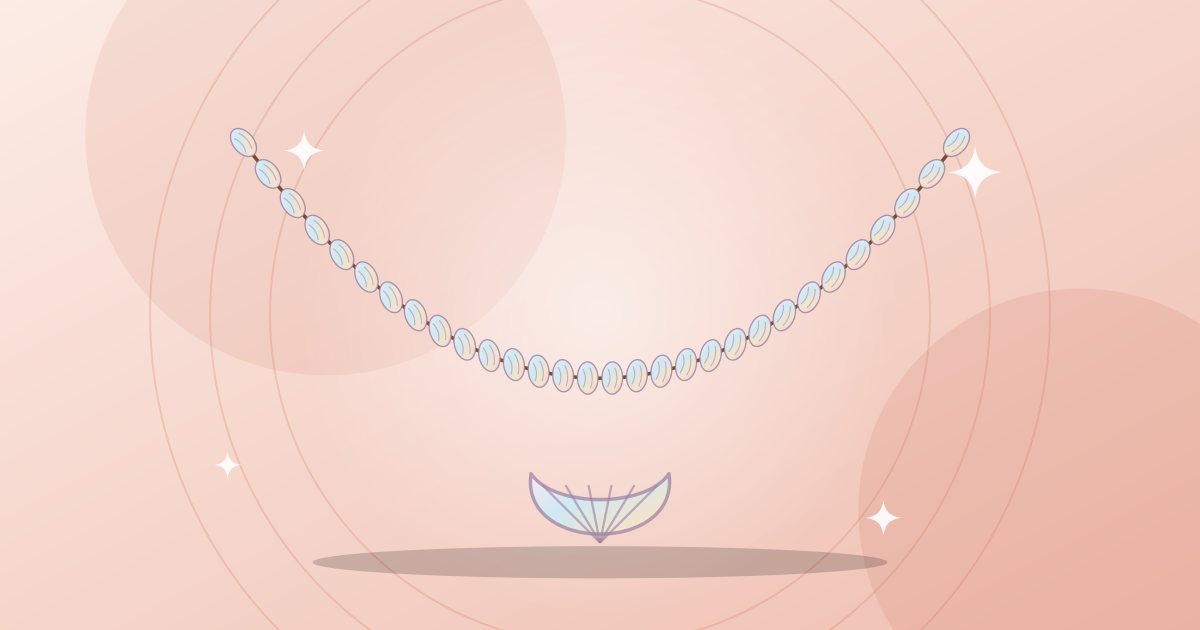
Aboriginal shell necklaces and engraved pearl shell
Tasmanian Aboriginal women string tiny iridescent shells; in northern Australia, pearl shell is engraved: jewels with living memory.
 Materials
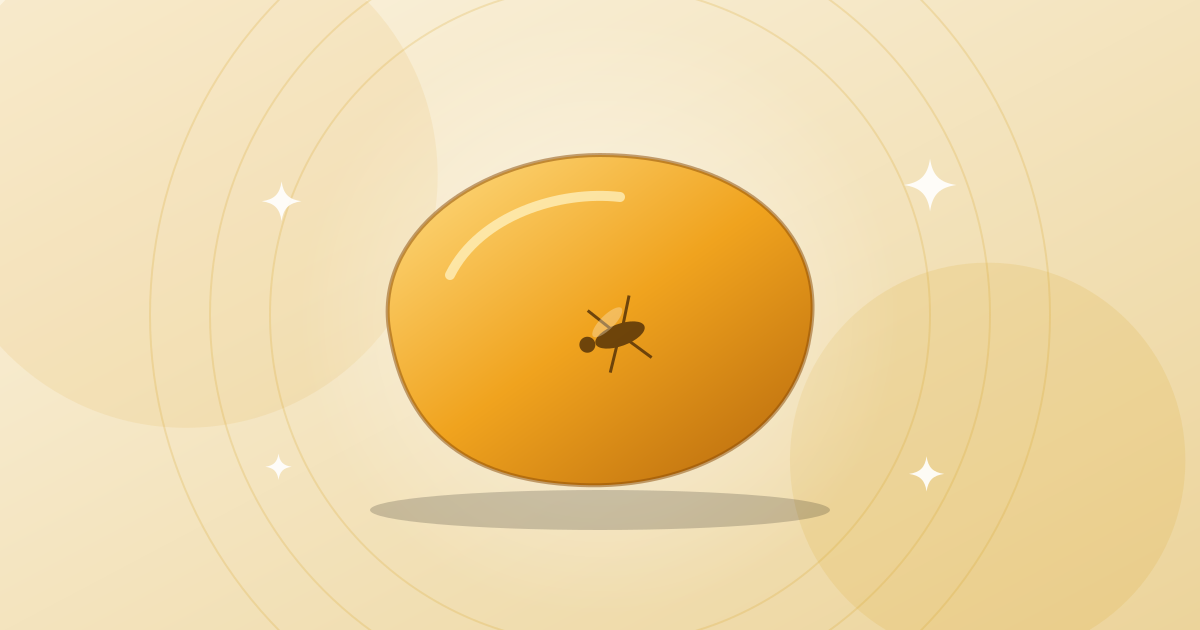
Amber
Amber is fossil tree resin millions of years old, light and warm, sometimes with trapped insects; it is worked into beads and cabochons.
 Materials
Bone and ivory
Bone is carved into beads, pendants and amulets; elephant ivory is banned and is now replaced by bone, tagua or resin.
 Techniques
Carving bone, antler, shell and tagua
Carving organic materials (bone, antler, shell, tagua) produces pendants, beads and cameos; tools, scrimshaw and ethical questions.
 Materials
Coral
Coral is the skeleton of marine colonies; red and pink coral is carved into beads and cabochons, and its use calls for attention to origin.
 Techniques
Cuttlebone casting
Cuttlebone casting carves a two-part mold in this soft material to cast simple silver pieces, with a characteristic texture.
 Materials
Horn and antler
Horn and deer antler are carved and polished into pendants, buttons and earrings with a natural, sturdy look.
 Buying guides
How to choose an engagement ring and how much to spend
How to choose an engagement ring: style, size, metal, stone and budget; the salary rule is a myth and what to look at so you do not overpay.
 Materials
Jet
Jet is a black variety of lignite, light and polishable, used in mourning jewelry and as an amulet, notably from Asturias and Whitby.
 Materials
Jewelry waxes for carving and casting
Jewelry waxes (hard, soft, injection, sheet) are used to carve or model the original that will be cast; they burn out without leaving ash.
 Materials
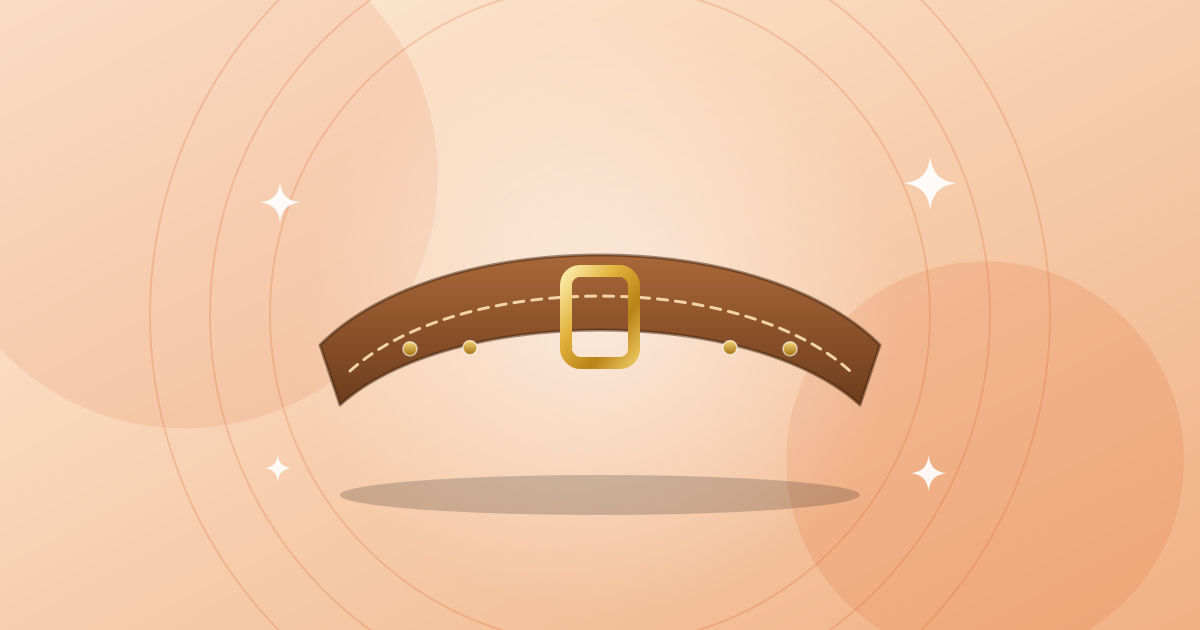
Leather
Leather is used for bracelets, necklaces and straps for its flexibility and warm look; it can be braided, stitched, engraved and pairs well with metal.
 Techniques
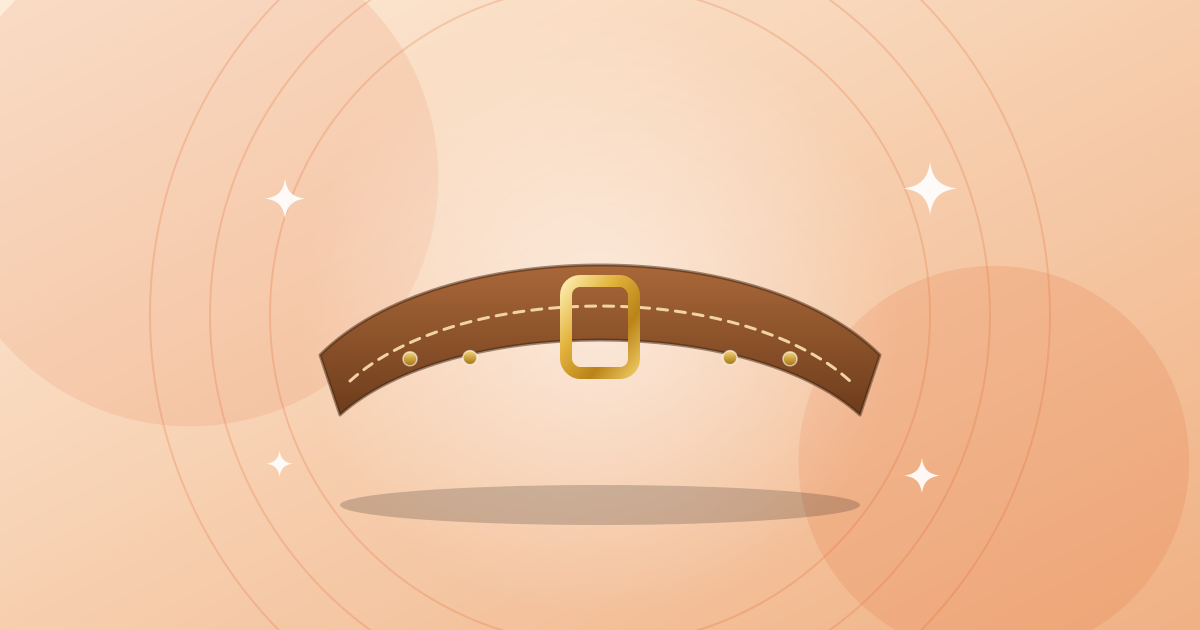
Leather jewelry: braiding, stamping and riveting
Leather jewelry is cut, braided, stamped, dyed and riveted: bracelets, necklaces and straps, with edge finishing and clasps.
 Techniques
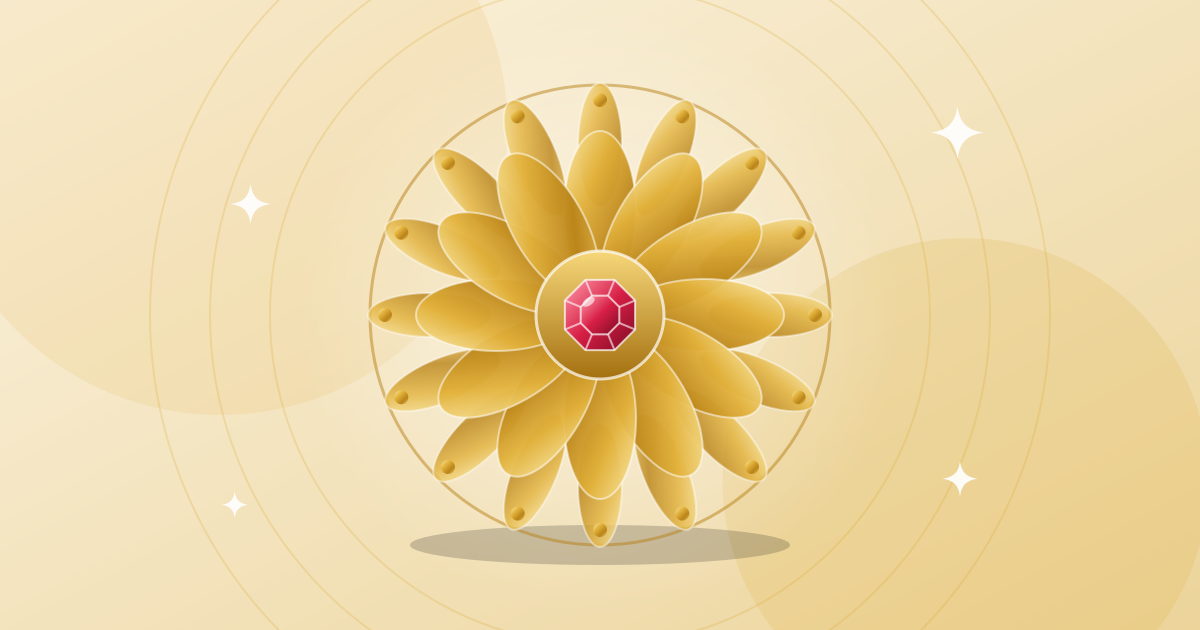
Mokume-gane: wood-grain metal
Mokume-gane fuses layers of different metals with heat and pressure and works them to draw wood-like grain; a Japanese technique of the 17th century.
 Materials
Mother-of-pearl and shells
Mother-of-pearl is the iridescent inner layer of many shells; it is carved into beads, cameos and shimmering inlays.
 Materials
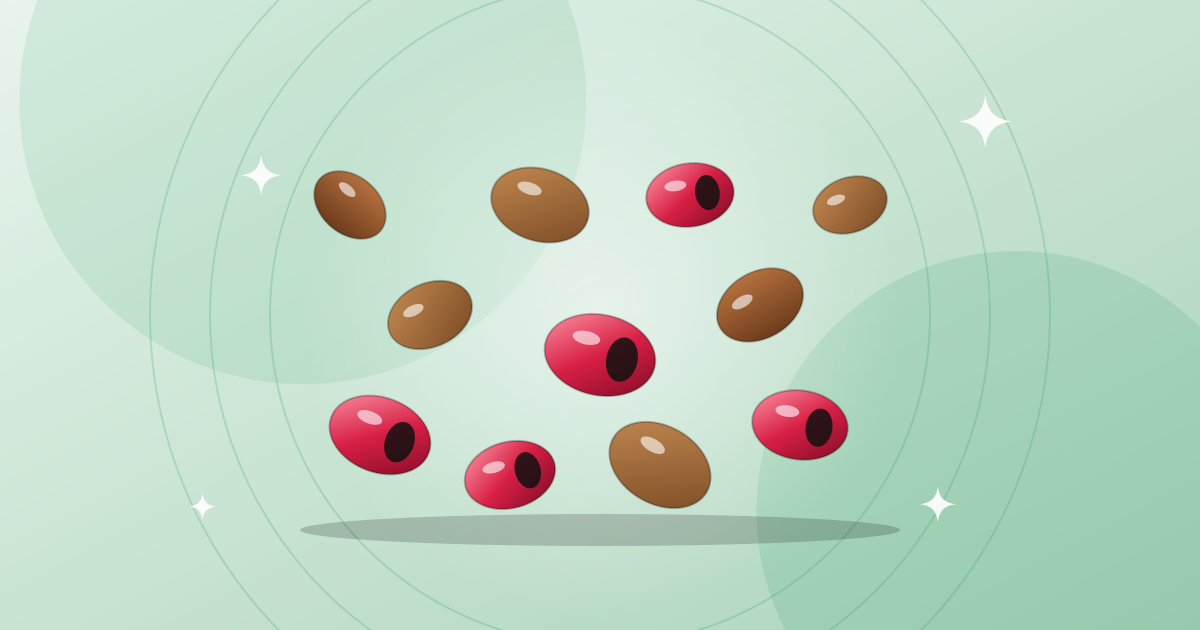
Seeds, tagua and nuts
Seeds, tagua (vegetable ivory) and nuts become eco-friendly, colorful and light beads for necklaces and bracelets.
 Materials
Silk and textile threads
Silk, cotton and other textile threads are woven, embroidered and knotted into soft, colorful, light jewelry, or used to string pearls.
 Materials
Wood
Wood adds warmth and lightness to rings, earrings and beads; it is carved, turned and sealed, and pairs well with metal and resin.
 Techniques
Wood jewelry: turning and laminating
Wood jewelry is made by turning, carving, laminating (glued layers) and bentwood rings; finishes with oil and resin.