Casting molds: investment, rubber, silicone and sand
Casting molds shape metal: investment molds for lost-wax casting, rubber and silicone molds for wax and resin, and sand or graphite molds.

The mold is the structure into which molten metal is poured to give it form. Depending on the casting technique, the mold can be single-use or reusable.
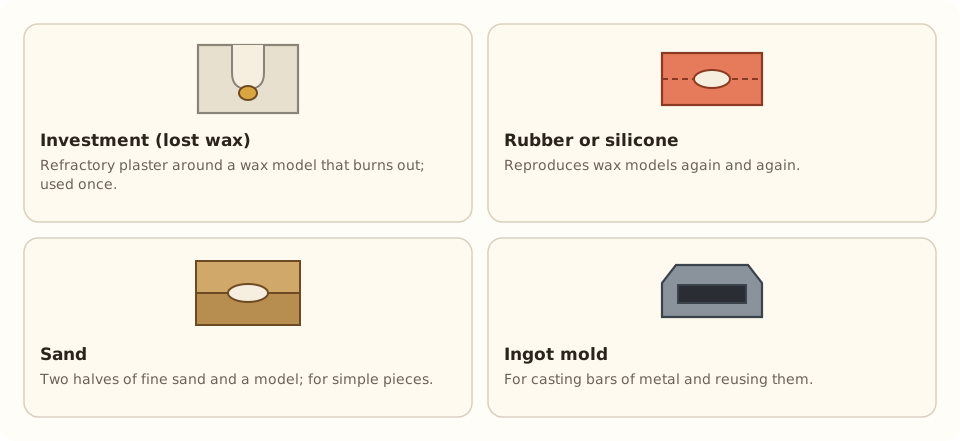
Investment mold (lost wax) #
Made by covering the wax model with a refractory plaster inside a flask; when heated, the wax melts out and leaves the cavity. It is single-use (see lost-wax casting).
Rubber and silicone molds #
Used to make copies in wax (injection) or in resin, tin and pewter. They are flexible and reusable. Vulcanized rubber molds withstand thousands of copies.
Sand mold #
A mix of sand and binder packed around a pattern; used for simple pieces. See casting.
Ingot molds #
Of steel or graphite, to cast metal into bar form.
Care #
Keep rubber and silicone molds clean, flat and away from heat and light.
How to choose the mold #
- A one-off piece or a carved wax model: investment (lost wax).
- Several copies of a master: rubber or silicone and wax injection.
- Flat, simple pieces: sand or cuttlebone.
- Metal bars to reuse: ingot mold.
Frequently asked questions #
Can an investment mold be reused? No: it is broken to remove the piece.
How long does a rubber mold last? If stored flat and out of direct light, months or years, depending on use.
What is the difference between rubber and silicone? Vulcanized rubber is cured under heat in a press; silicone cures at room temperature.
See also #
This entry was drafted with the help of AI and is pending review by the author.
Related articles
 Techniques
Clay casting
A process that uses refractory clay to make molds for casting precious metals such as gold and silver and producing jewelry.
 Tools
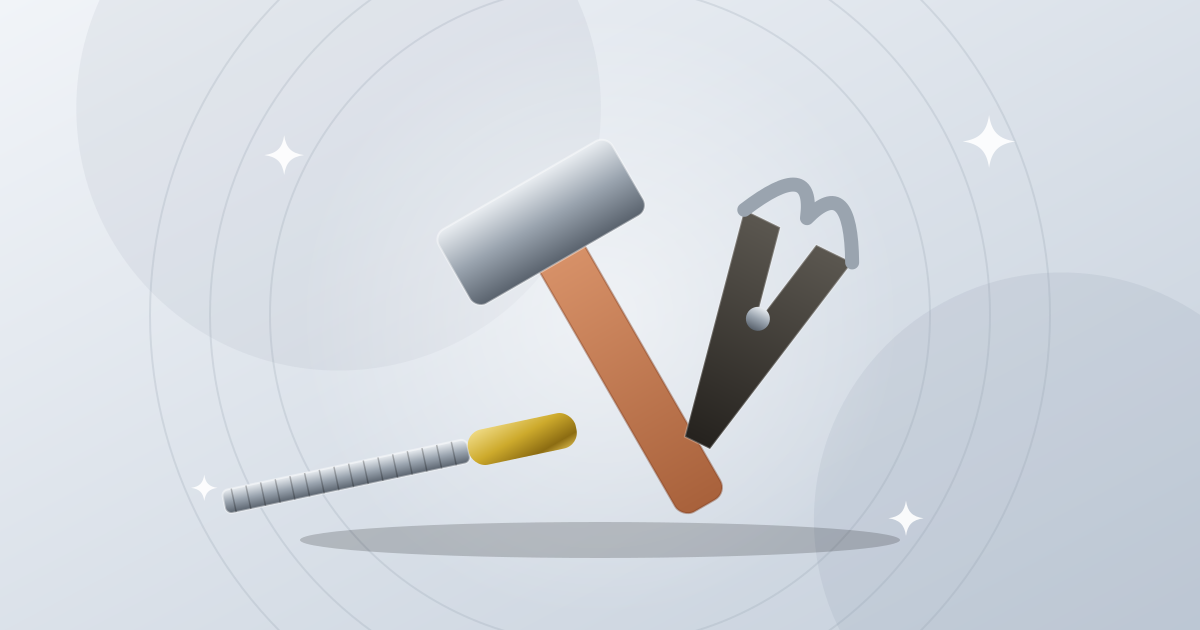
Basic tools used in casting
The most common tools used in jewelry casting. They can vary depending on the type of jewel and the technique used by the jeweler.
 Tools
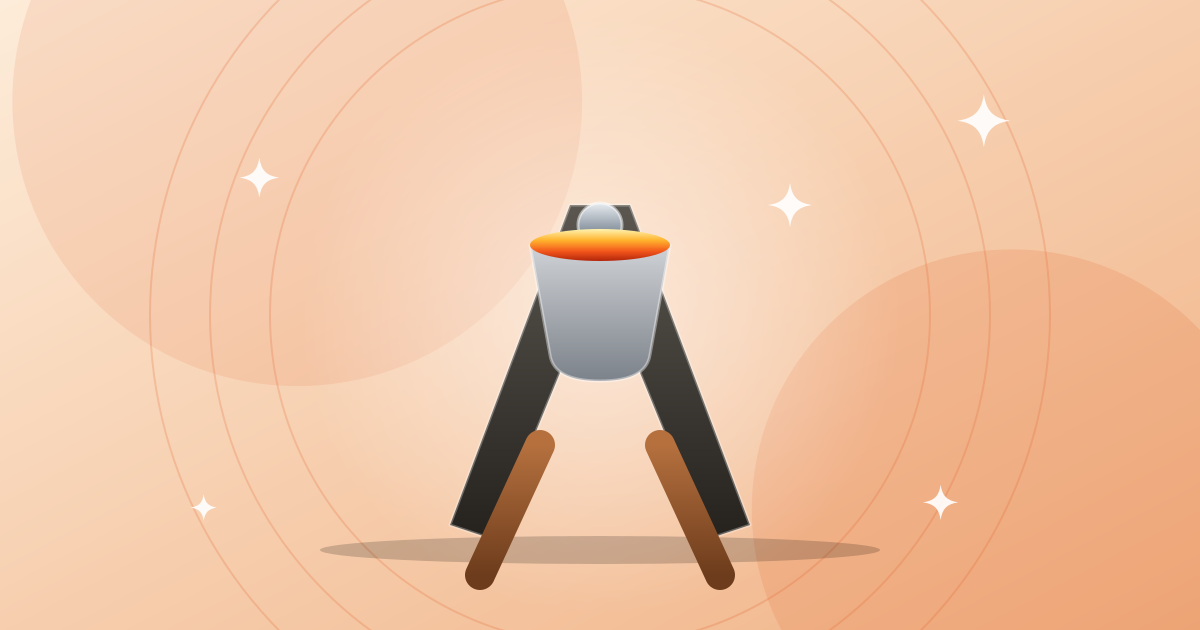
Crucible tongs: what they are for and how to use them
Crucible tongs grip the hot crucible to pour molten metal; types, how to choose them and safety rules.
 Techniques
Casting organic materials (burnout)
In organic-material casting, a leaf, twig or flower is burned out inside the mold and replaced by metal, keeping its natural texture.